Introduction: When the Future of Work Meets the Past of HR
The workplace has transformed dramatically. The year is 2025—AI is mainstream, hybrid work is the new norm, and employees seek meaning, flexibility, and autonomy. Yet, many HR departments are still running on frameworks that were designed when fax machines were revolutionary and “company culture” meant an annual pizza party.
The 2025 workforce is digital, global, and emotionally intelligent. The 1995 HR model, on the other hand, is rigid, transactional, and compliance-driven. The result? A growing disconnect between what employees expect and what organizations deliver.
This isn’t merely an operational problem—it’s an existential one. The gap between workforce evolution and HR transformation is fast becoming one of the most pressing business challenges of our time.
Let’s examine why the old model is no longer effective, what defines today’s workforce, and how organizations can transition from outdated HR functions to modern, people-centric ecosystems.
 Understanding the 1995 HR Model
The HR model of the mid-1990s was built for a world where predictability, hierarchy, and control were the pillars of organizational success. HR was considered a support department, not a strategic one.
 The role focused heavily on administration, payroll, and compliance. Employee engagement was measured by attendance, not satisfaction. Performance reviews happened once a year and were often one-sided. Hiring was manual, paperwork was physical, and training was generic. Culture was top-down, not collaborative.
Back then, this approach worked. Businesses operated in relatively stable environments, and long-term employment was the norm. Employees were expected to adapt to systems—not the other way around.
However, the world has changed—and HR hasn’t kept pace quickly enough.
 The 2025 Workforce: A New Kind of Employee
Today’s employees are not just looking for jobs—they’re seeking a sense of belonging, purpose, and growth. The new workforce is multi-generational, tech-savvy, and more values-driven than ever before.
Digital-first mindsets: Employees expect seamless digital experiences from onboarding to benefits. Flexibility over formality: Work-life balance, hybrid schedules, and autonomy are non-negotiable. Continuous learning: Career growth and skills mobility are valued more than static job titles. Purpose-driven priorities: People want to work for companies that align with their ethics and beliefs. Focus on well-being: Mental health, inclusion, and psychological safety are now top factors in employee retention.
In 2025, the workforce demands HR systems that are responsive, data-driven, and human-centric—not policy-heavy relics of the past.
 The Cost of Sticking to a 1995 HR Model
Operating a modern business with a 1995 HR model is like running a Tesla on diesel—it’s not just inefficient; it’s damaging.
Higher turnover: Outdated policies and inflexible structures deter talent. Lower engagement: Employees feel unheard and undervalued. Stunted innovation: Rigid hierarchies kill creativity and collaboration. Reputation risks: Modern candidates can sense outdated cultures instantly. Compliance gaps: Paper-based systems struggle to meet digital regulations.
The numbers speak volumes: organizations with outdated HR practices experience 30–40% lower engagement and 25% higher attrition than those with modernized people operations.
If your HR department is still known for forms instead of strategy, you’re not just behind—you’re losing ground daily.
 Why the Old Model Can’t Keep Up
The 1995 HR structure was designed for a stable, office-based world where employees clocked in and out at specific times. The 2025 world is fluid, digital, and distributed.
Speed: Businesses pivot in days, not years. Annual reviews are obsolete. Data: Decisions rely on analytics, not instinct or seniority. Technology: Automation and AI handle tasks that once required manual HR intervention. Values: Employees hold organizations accountable for culture and ethics. Transparency: Information is public, instant, and constant.
The 1995 HR playbook assumes stability. The 2025 workforce thrives in motion.
 The Shift: From Human Resources to People Strategy
The future of HR is no longer about managing resources—it’s about empowering people. Forward-thinking companies are transitioning from traditional HR to what’s now known as People Operations or Strategic People Leadership.
HR becomes a strategic growth partner, not just an administrative support system. Employees are treated as stakeholders, not subordinates. Technology becomes the backbone of operations, freeing HR for meaningful work. Data becomes the language of decision-making. Culture becomes the strategy, not the byproduct.
The companies leading the next decade will be those that understand people strategy as the ultimate competitive advantage.
 What a Modern HR Model Looks Like
Modern HR isn’t just a digital version of the old—it’s a fundamental redesign built around agility, transparency, and personalization.
Agile HR Frameworks: Cross-functional teams, quick sprints, and real-time goal tracking. Employee Experience Design: Mapping every touchpoint from recruitment to exit. Continuous Performance Feedback: No more annual reviews—feedback happens weekly or even daily. Learning Ecosystems: Personalized, on-demand learning paths powered by AI. Analytics & Insights: Predictive dashboards to forecast turnover, engagement, and performance. Automation & Self-Service: Let technology handle the paperwork while HR focuses on people. Inclusive Culture Building: Policies rooted in belonging, equity, and transparency.
The result? A workplace where innovation, accountability, and humanity coexist harmoniously.
 Signs You’re Still Operating in a 1995 HR Model
It’s easy to assume your HR is modern because you’ve adopted a few digital tools—but modernization is more about mindset than software.
You might still be stuck in a 1995 HR model if:
You conduct annual reviews rather than providing continuous feedback. Your HR data lives in spreadsheets, not analytics platforms. Employees must submit paper forms for simple requests. HR policies often resemble rulebooks, rather than guidelines for empowerment. Recruitment relies on manual screening, not predictive analytics. Training is generic, not personalized. HR rarely participates in strategic decision-making meetings.
If these sound familiar, your workforce has already outgrown your HR model—you just haven’t realized it yet.
 How to Modernize Your HR Model
Transformation doesn’t happen overnight. However, it must begin intentionally—with small, consistent steps that shift HR from a reactive to a strategic approach.
Start with these proven actions:
Assess your current HR maturity level. Identify where your practices are outdated. Adopt a people-first mindset—design policies around employee experience, not convenience. Implement technology wisely. Automate repetitive tasks but preserve human empathy. Train your HR team. Upskill them in analytics, digital tools, and leadership coaching. Build feedback loops. Listen continuously, act transparently. Integrate HR into the business strategy. Align people’s goals with organizational outcomes.
A future-ready HR model blends technology, empathy, and insight—powered by purpose.
 The New Role of HR Leadership
The modern HR leader is no longer a compliance manager—they’re a strategic architect shaping organizational destiny.
Visionary: Understanding future workforce trends before they disrupt. Data-Driven: Making informed decisions with real-time analytics. Cultural Curator: Designing inclusive, equitable, and inspiring workplaces. Tech-Savvy: Leading digital transformation across HR functions. Coach and Connector: Empowering managers and employees to grow continuously.
This evolution demands courage and continuous learning. But it’s also the most exciting era HR has ever entered.
 Real-World Examples of Modern HR in Action
Companies that have reimagined HR are already seeing measurable results.
Microsoft shifted from annual reviews to continuous feedback loops—employee satisfaction surged. Airbnb created “employee journey maps” to personalize experiences and enhance employee retention. Unilever implemented AI-driven recruitment tools, cutting hiring time in half. Salesforce embedded well-being goals into its performance system, improving engagement. Spotify employs flexible “growth paths” rather than rigid job ladders, promoting autonomy.
These organizations understand that modern HR isn’t a cost center—it’s a growth engine.
 Data and Analytics: HR’s New Superpower
In 2025, every business function runs on data; HR should be no exception.
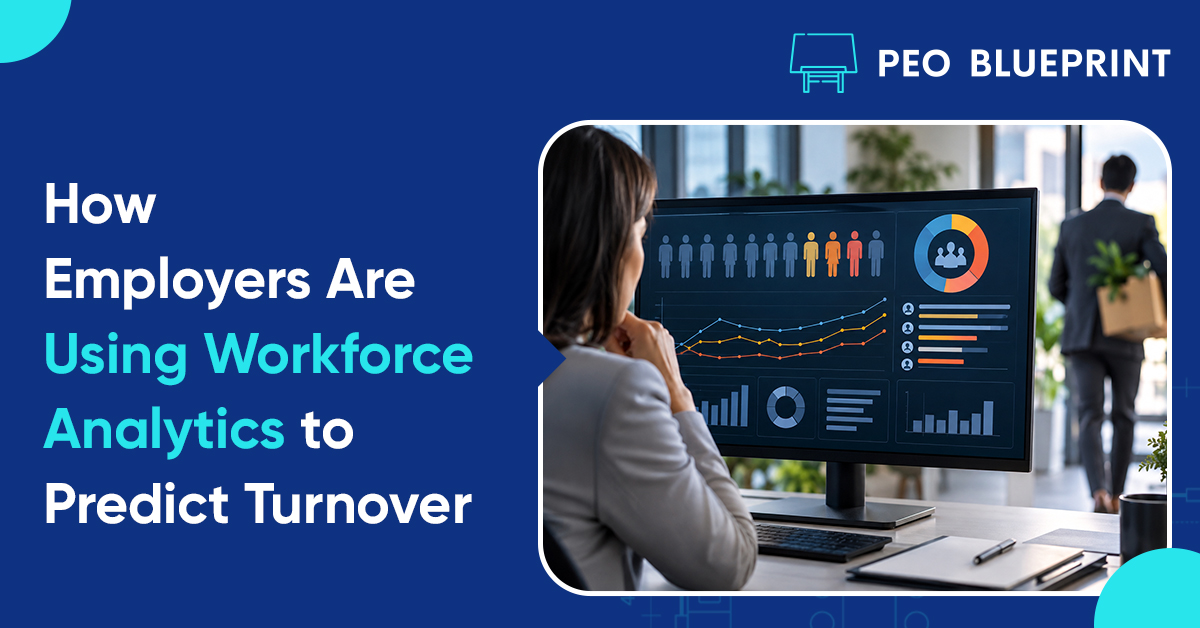
Predictive analytics can identify turnover risks before they happen. Engagement dashboards help track morale across departments. Learning analytics show which skills are developing fastest. AI-powered sentiment analysis detects burnout and disengagement early.
Data enables HR to shift from a reactive to a proactive approach—from policy-driven to performance-driven.
Culture, Purpose, and Employee Experience
Modern employees don’t separate “work” from “life.” They seek meaning, connection, and psychological safety in the workplace.
Build cultures around trust, transparency, and inclusion. Communicate company purpose clearly—and live it. Recognize people frequently, not annually. Encourage well-being through flexible schedules and mental health support.
The companies that will thrive in 2025 are those that treat employee experience as their primary product.
 What Happens If We Don’t Change
Ignoring HR modernization is not a neutral choice—it’s an active risk.
Your best employees will leave for more progressive organizations. Your reputation will lag in a transparent, social media-driven world. Your compliance risk will increase as digital regulations become more stringent. Your leadership pipeline will weaken without learning and mobility. Your culture will stagnate while competitors innovate.
By clinging to the 1995 HR model, companies unintentionally communicate one clear message: We don’t evolve.
And that’s a message today’s workforce won’t tolerate.
Rethinking Leadership for a Post-1995 World
You can’t modernize HR without modernizing leadership. The 1995 management philosophy was built on command, control, and compliance—leaders told people what to do, and employees followed.
In 2025, that leadership style feels archaic. The new workforce demands authenticity, empathy, and inclusion.
Leaders are now expected to be:
Facilitators of trust, not enforcers of hierarchy. Coaches, not commanders. Listeners and learners, not know-it-alls. Cultural stewards, ensuring belonging and fairness. Transparent communicators, leading through vulnerability and clarity.
The HR model of the future must develop leaders who empower, not just manage. This requires a culture shift—HR becomes the leadership architect, designing systems that produce emotionally intelligent, purpose-led leaders.
 Building Emotional Infrastructure in Organizations
The old HR model focused on physical presence—specifically, attendance, punctuality, and paperwork.
The modern HR model focuses on emotional presence, encompassing engagement, well-being, and psychological safety.
Today’s workforce expects companies to understand that emotions influence performance.
If an organization fails to nurture emotional well-being, even the best technology can’t save it.
Here’s how HR can design emotional infrastructure:
Integrate well-being programs into daily workflows, not as optional add-ons. Train managers in empathy and active listening. Use pulse surveys to monitor emotional health. Establish psychological safety policies that allow employees to speak up without fear. Normalize mental health days, therapy benefits, and open dialogue.
When HR evolves beyond paperwork to people care, it becomes a guardian of emotional equity.
HR as the Heart of Organizational Transformation
In 1995, HR reacted to the business strategy. In 2025, HR drives it.
Today’s most innovative organizations position HR as the core of transformation. From mergers to digital transitions, from hybrid policies to ESG commitments—HR orchestrates the human side of change.
To lead transformation effectively, HR must:
Partner with executives to translate their vision into a shared culture. Manage organizational change with data and empathy. Align talent architecture with business outcomes. Lead workforce planning using predictive analytics.
The companies thriving today view HR not as an internal department, but as an enterprise-wide consultancy that aligns people with purpose and performance.
Redefining Employee Value Proposition (EVP)
The Employee Value Proposition (EVP) in 1995 was simple: a paycheck, job security, and maybe a gold watch after 25 years.
The EVP in 2025 is a complex ecosystem of meaning, growth, and belonging.
A modern EVP should promise:
Flexibility: Work-life harmony tailored to individual needs. Development: Continuous learning, coaching, and career mobility. Community: A culture where employees feel seen, safe, and celebrated. Impact: Clear alignment between individual contributions and company purpose. Fairness: Pay equity, inclusive opportunities, and transparent policies.
When HR redefines EVP through this lens, organizations evolve from being “good employers” to destination employers, effortlessly attracting the next generation of talent.
The Rise of Purpose-Driven Performance
Traditional HR measured performance by output and hours worked.
Modern HR measures impact, growth, and collaboration.
The 2025 workforce doesn’t just want to work efficiently—they want to work meaningfully.
Performance management must evolve into a purpose-driven framework that asks:
Is this employee growing? Are they aligned with the company’s mission? Are they contributing to collective innovation? Are they being recognized fairly?
The modern HR model replaces scorecards with storytelling—narratives of progress, contribution, and alignment with purpose.
The Ethics of HR Technology
As AI and analytics redefine HR, a new challenge arises: ethics.
The 2025 workforce is deeply conscious of data privacy, bias, and transparency. While technology can enhance fairness, it can also amplify inequality if misused.
To build trust, HR must lead in ethical tech governance.
Ensure AI algorithms used in hiring are bias-audited regularly. Be transparent about data usage policies for employees. Protect employee privacy through strong cybersecurity measures. Involving employees in tech decisions that affect them is crucial. Maintain human oversight over automated processes.
Modern HR tech should augment judgment, not replace humanity.
Building a Culture of Digital Fluency
In 1995, HR professionals could thrive without technical literacy. By 2025, digital fluency will be a non-negotiable requirement.
HR teams must understand and leverage digital tools—from automation platforms to employee analytics dashboards.
Learn the language of data science to make evidence-based decisions. Partner with IT to deploy integrated systems and solutions. Train managers on digital collaboration and remote leadership. Use AI to predict workforce trends, not just react to them. Encourage digital curiosity across every level of the organization.
Digital fluency empowers HR to be the bridge between technology and humanity.
Metrics That Matter in the Future of HR
In 1995, HR success was measured by cost control and compliance.
In 2025, success is measured by impact and experience.
Modern HR metrics include:
Employee Net Promoter Score (eNPS) – Do employees recommend working here? Internal mobility rate – How often do people grow within the organization? Diversity representation – Are voices across all backgrounds represented at every level? Learning Engagement Rate – Are employees consistently upskilling? Innovation participation – How many employees contribute to innovation programs? Retention of High Performers – Are Your Best People Staying?
Metrics drive accountability—but in modern HR, they also tell the story of progress and purpose.
HR’s Role in Sustainability and Social Impact
Today’s workforce doesn’t separate business performance from social responsibility.
They expect companies to stand for something beyond profit.
That means HR must integrate sustainability and ethics into the employee experience.
Build hiring pipelines that prioritize underrepresented talent. Encourage sustainable work practices—reduce waste, promote remote work. Reward volunteerism and community impact. Embed ESG (Environmental, Social, Governance) principles in leadership models. Make transparency part of organizational DNA.
When HR becomes a steward of sustainability, it transforms work into a platform for collective good.
 From Workforce Management to Workforce Enablement
The 1995 model was obsessed with control—tracking attendance, approvals, and compliance.
The 2025 model is about enabling people—giving them tools, freedom, and trust to thrive.
Replace micromanagement with empowerment. Build trust-based systems, not surveillance ones. Allow employees to co-create their work experience. Encourage self-service and flexible benefits. Foster autonomy through transparent goal-setting.
The new HR mindset: You don’t manage people—you unleash them.
 The Psychological Shift: From Compliance to Contribution
The most profound transformation in HR is psychological, not procedural.
The 1995 model operated on fear of loss—”follow rules or face consequences.”
The 2025 model operates on the principles of freedom and contribution—”be empowered to create.”
When people are trusted, they respond with ownership and accountability.
When they’re inspired, they innovate.
When they’re valued, they stay.
HR must evolve into the conscious connector between business vision and human motivation.
 The Future of HR: Human-Centric, Tech-Enabled, Purpose-Driven
The HR of the future blends technology with empathy. It’s less about enforcing rules and more about unlocking human potential.
Technology automates—but people elevate. Data informs—but empathy connects. Policies guide—but culture empowers. Systems scale—but leadership inspires.
The 2025 workforce doesn’t want HR to manage them. They want HR to champion them.
 Conclusion: Evolving from Policy Keepers to People Architects
The future of HR is not about replacing the past—it’s about reimagining it. The 1995 HR model built the foundation, but the 2025 workforce is building the future.
Organizations that succeed will be those that see HR not as a department but as a dynamic system—one that combines insight, compassion, and innovation.
Modern HR is not a destination; it’s a continuous evolution. Every upgrade—every change—brings your culture closer to what people truly need: connection, purpose, and growth.
So here’s the challenge for every leader and HR professional reading this:
Don’t let yesterday’s systems manage your workforce of tomorrow.
Because the future of work has arrived—and it’s waiting for HR to catch up.