PEO Insights & HR Guidance - PEO Blueprint

International-Expansion-When-to-Use-a-PEO-vs-an-EOR
International Expansion: When to Use a PEO vs an EOR
Expanding into another country can unlock new customers, specialized talent, and long-term growth, but international hiring also creates new employment, payroll, tax, and compliance responsibilities. Choosing the right workforce model early can prevent expensive mistakes later. For many growing companies, understanding PEO vs EOR for International Expansion is the first step toward building a compliant and scalable global workforce.
State-Payroll-Tax-Mistakes-That-Remote-Employers-Commonly-Make
State Payroll Tax Mistakes That Remote Employers Commonly Make
Remote work has changed how companies recruit, operate, and manage payroll. A business may have its headquarters in one state while employees work from homes across several others. That flexibility creates new opportunities, but it also creates complex payroll compliance responsibilities.
Workforce-Risk-Assessments-Before-Mergers-and-Acquisition
Workforce Risk Assessments Before Mergers and Acquisitions
Mergers and acquisitions can create rapid growth, new capabilities, and stronger market positions, but they also introduce significant people-related risks. Financial models often receive the most attention during due diligence, while workforce issues can remain scattered across payroll, benefits, contracts, policies, and employee records. Workforce Risk Assessments bring those issues into one structured review before the transaction closes. They help buyers understand what they are inheriting, help sellers disclose material concerns, and give leadership a practical roadmap for integration.
How-Law-Firms-Use-PEOs-to-Reduce-Administrative-Burden
How Law Firms Use PEOs to Reduce Administrative Burden
Law firms operate in a high-pressure environment where deadlines, client demands, billable hours, and professional standards leave little room for administrative distractions. Yet every growing firm must manage payroll, employee records, benefits, hiring, onboarding, workplace policies, and employment compliance. Law Firms Use PEOs to shift much of that operational workload to a specialized partner, allowing attorneys and firm leaders to focus more consistently on legal work and business development.
Building-Consistent-HR-Policies-Across-Distributed-Teams
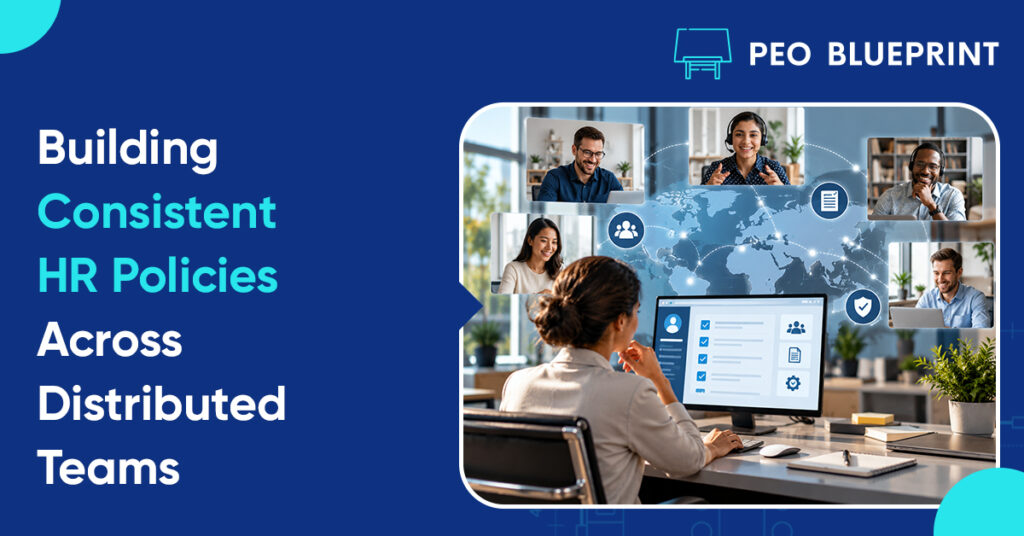
Building Consistent HR Policies Across Distributed Teams
Distributed work has changed how companies hire, manage, and support employees. Teams may now work from different cities, states, time zones, or countries while sharing the same goals, systems, and leadership structure. That flexibility can expand access to talent, but it also creates a major operational challenge: keeping HR Policies consistent without ignoring local requirements.
The-Hidden-Cost-of-Poor-Employee-Benefits-Programs
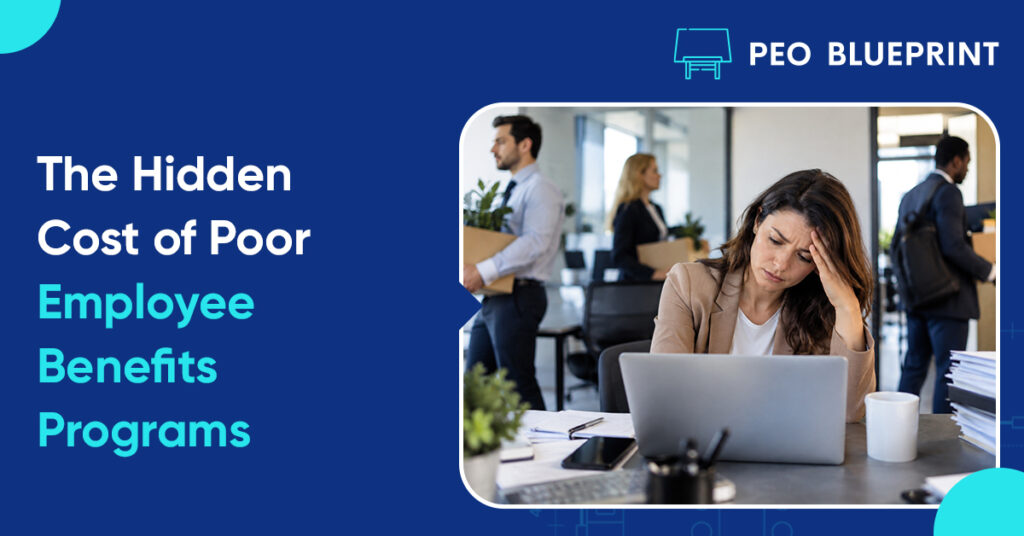
The Hidden Cost of Poor Employee Benefits Programs
Managing a business requires a constant, highly calculated balancing act between operational expenses, payroll allocations, inventory demands, capital investments, and long-term expansion goals. When economic headwinds blow or profit margins tighten, executive leadership teams instinctively audit their general ledgers to identify immediate cost-cutting opportunities. However, one massive financial liability often hides in plain sight on the corporate balance sheet: an inadequate, underfunded, or poorly constructed fringe compensation package. Many business owners, chief financial officers, and human resources managers view benefits purely as an administrative line-item expense to be trimmed, minimized, capped, or shifted onto the shoulders of their workforce whenever possible.

PEO Blueprint empowers businesses to confidently compare, optimize, and reset their PEO solutions for smarter HR success.