BLOG

How-Employers-Are-Using-Workforce-Analytics-to-Predict-Turnover
How Employers Are Using Workforce Analytics to Predict Turnover
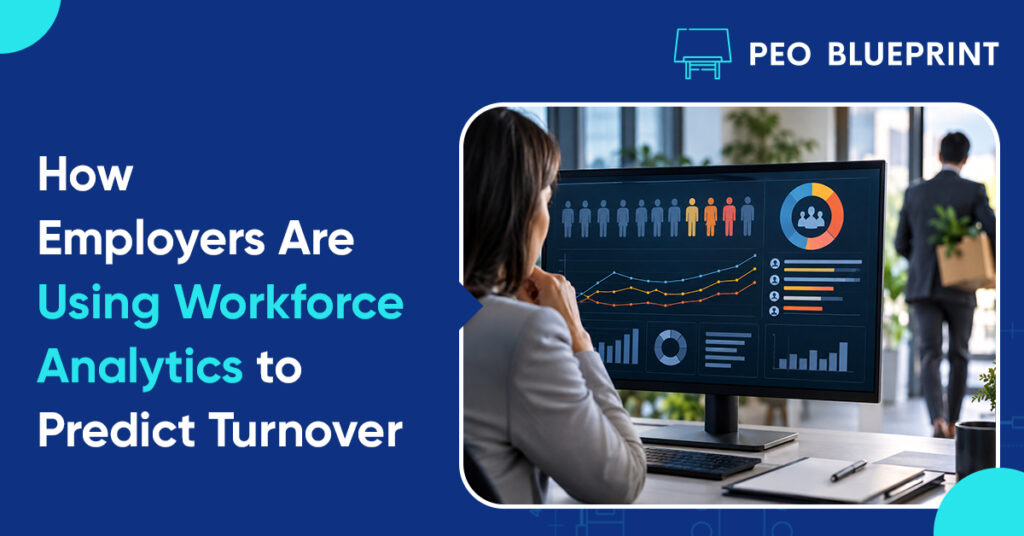
Voluntary resignations never happen overnight. Long before an employee submits a formal letter of resignation, subtle behavioral shifts occur across digital channels, attendance records, project tracking systems, and collaboration platforms. Modern organizations no longer rely on traditional exit interviews to figure out why top talent walked out the door. Today, forward-thinking employers are actively leveraging workforce analytics to spot retention risks early, analyze behavioral signals, eliminate internal friction, and implement proactive intervention strategies long before valuable staff members depart.
PEO-Solutions-for-Manufacturing-Companies-Facing-Skilled-Labor-Shortages
PEO Solutions for Manufacturing Companies Facing Skilled Labor Shortages
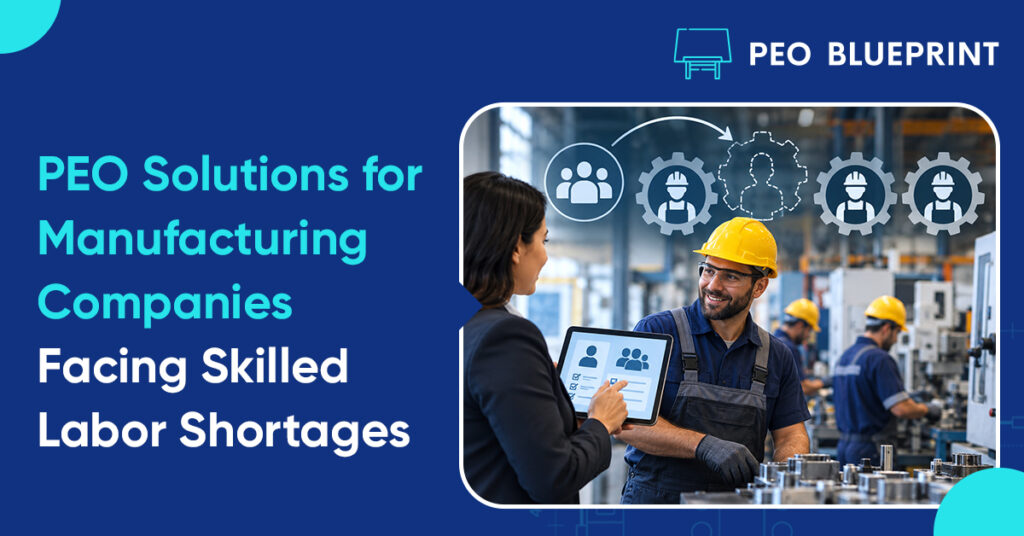
The modern industrial landscape faces an unprecedented operational crisis. Plant managers, human resource directors, and manufacturing executives grapple daily with empty assembly lines, delayed production schedules, and skyrocketing recruitment costs. PEO Solutions for Manufacturing Companies have emerged as the premier operational vehicle for mid-market and growing manufacturers striving to overcome severe talent deficits, streamline complex compliance burdens, and secure high-caliber workforce talent.
The-Future-of-HR-Reporting-and-Workforce-Intelligence
The Future of HR Reporting and Workforce Intelligence
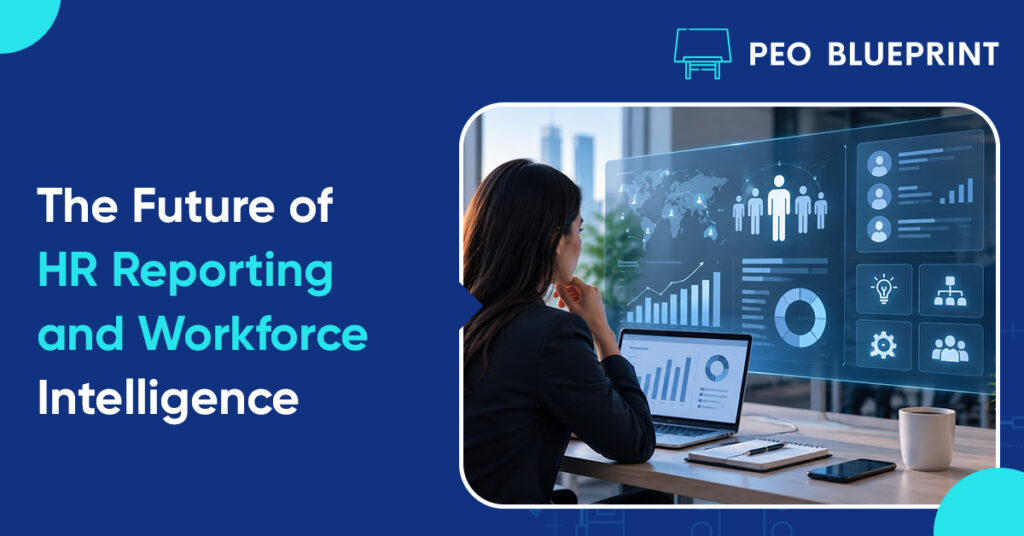
Introduction: The Evolution of People Analytics Traditional human resource management relied heavily on static spreadsheets and quarterly headcount counts. Modern organizations can no longer afford to make critical talent decisions based on lagging indicators or outdated records. The Future of HR Reporting and Workforce intelligence represents a fundamental shift from backward-looking documentation to forward-looking strategic action.
The-Rise-of-AI-Powered-Employee-Onboarding
The Rise of AI-Powered Employee Onboarding
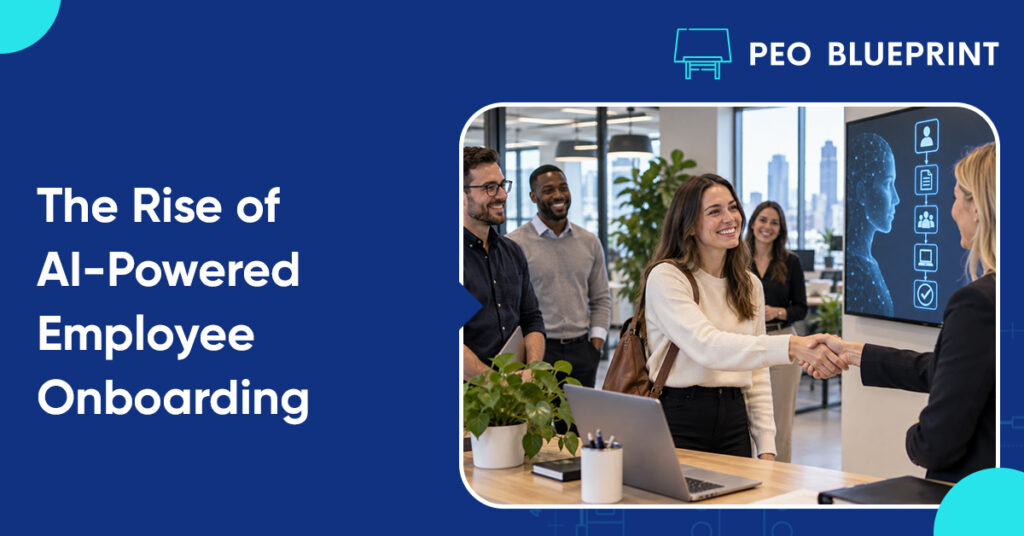
The modern human resources landscape is undergoing a massive transformation, moving away from manual paperwork and shifting rapidly toward intelligent automation. As organizations scale globally and remote work becomes standard, traditional methods for welcoming new hires simply no longer suffice. We are witnessing the unprecedented rise of AI-powered employee onboarding, a technological leap that completely reshapes how companies integrate talent. This shift fundamentally redefines the first critical weeks of an employee’s journey within a new organization.
Using-Benefits-Data-to-Improve-Employee-Retention
Using Benefits Data to Improve Employee Retention
Losing top talent is one of the most expensive and disruptive challenges a modern business can face. Every time a skilled professional walks out the door, they take valuable institutional knowledge, client relationships, and team momentum with them. Fortunately, forward-thinking HR departments are discovering a powerful secret weapon to stop the bleeding. If you want to improve employee retention, you need to stop guessing what your team wants and start looking closely at your benefits data.
How-to-Evaluate-a-PEO-Contract-Before-You-Sign-17-Clauses-Every-Employer-Must-Review
How to Evaluate a PEO Contract Before You Sign: 17 Clauses Every Employer Must Review
Partnering with a Professional Employer Organization can dramatically transform your human resources operations. However, entering into this relationship requires signing a comprehensive legal document that redefines how your business operates. A PEO contract represents a binding co-employment agreement that dictates everything from payroll responsibilities to legal liabilities. You must carefully scrutinize every page before you finalize the partnership.

PEO Blueprint empowers businesses to confidently compare, optimize, and reset their PEO solutions for smarter HR success.