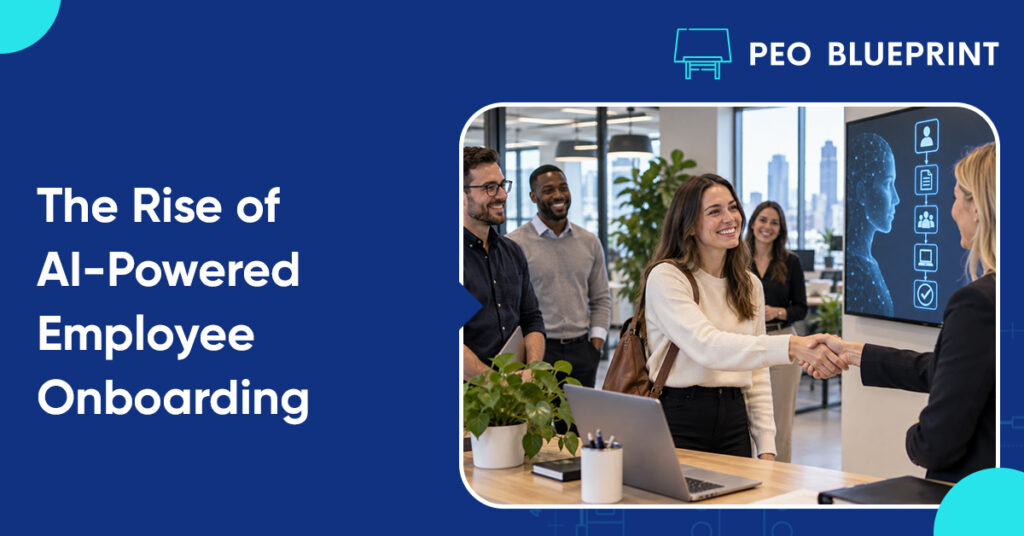
The modern human resources landscape is undergoing a massive transformation, moving away from manual paperwork and shifting rapidly toward intelligent automation. As organizations scale globally and remote work becomes standard, traditional methods for welcoming new hires simply no longer suffice. We are witnessing the unprecedented rise of AI-powered employee onboarding, a technological leap that completely reshapes how companies integrate talent. This shift fundamentally redefines the first critical weeks of an employee’s journey within a new organization.
By leveraging advanced machine learning and natural language processing, businesses can now deliver highly personalized, incredibly efficient induction experiences. Implementing AI-powered employee onboarding eliminates tedious administrative bottlenecks that have frustrated HR professionals for decades. Instead of drowning in compliance forms, HR teams can redirect their time toward building meaningful relationships with new talent. According to recent industry benchmarks, a structured, technologically advanced induction program can significantly improve new-hire retention and overall workplace satisfaction.
This comprehensive guide explores the structural mechanics, immense benefits, and strategic implementation of artificial intelligence in the modern induction process. We will examine exactly why traditional approaches fail in today’s fast-paced corporate environment and how automated systems close the gap. Whether you manage a boutique firm or a multinational enterprise, upgrading your technological infrastructure is no longer optional. Let us delve into the impact of intelligent automation and see how it future-proofs your entire workforce strategy.
The Critical Importance of the First 90 Days
The first 90 days of employment are a make-or-break period for any newly acquired talent. During this fragile window, individuals form lasting impressions regarding company culture, operational efficiency, and their own future within the organization. Suppose a recruit feels unsupported or overwhelmed by chaotic administrative processes; their engagement plummets immediately. This initial disengagement often translates directly into early attrition, costing businesses significant amounts of capital and wasted training resources.
Research from the Society for Human Resource Management (SHRM) indicates that organizations with a structured, engaging induction process achieve far higher retention rates. When employees feel genuinely welcomed and equipped with the right tools from day one, they transition into productive roles much faster. Conversely, a disjointed introduction can leave workers feeling isolated, particularly in remote or hybrid environments. Therefore, a seamless transition period is essential for long-term organizational success.
This is precisely where AI-powered employee onboarding proves its incredible strategic value to modern business leaders. By using smart technology, companies ensure no critical step is missed or delayed by human error. New hires receive consistent, high-quality guidance regardless of their location or the department they join. Ultimately, investing heavily in the early stages of the employee lifecycle pays massive dividends through increased loyalty and accelerated performance.
What Exactly is AI-Powered Employee Onboarding?
To truly grasp this concept, we must look beyond basic digitization and understand the mechanics of intelligent automation. AI-powered employee onboarding refers to the strategic use of artificial intelligence tools to automate, personalize, and optimize the new-hire experience. This advanced ecosystem utilizes sophisticated algorithms to guide workers through complex training modules, compliance requirements, and cultural assimilation. It adapts to each individual’s unique needs rather than relying on a static, one-size-fits-all approach.
Unlike older digital systems that merely store PDF documents, intelligent platforms proactively interact with your workforce. They utilize conversational agents, dynamic data analysis, and predictive models to anticipate exactly what a recruit needs to succeed. If a software engineer joins the team, the system automatically provisions the correct coding environments and suggests relevant technical documentation. If a sales representative logs in, the platform immediately prioritizes CRM training and introduces them to key client portfolios.
The scope of this technology extends far beyond simple task management and basic orientation scheduling. These advanced platforms can actively monitor an individual’s emotional sentiment and engagement levels through their digital interactions and survey responses. By identifying early warning signs of confusion or frustration, the system can instantly alert human managers to intervene. As a result, AI-powered employee onboarding acts as an invisible, highly efficient HR assistant that works seamlessly in the background.
The Evolution of HR: From Paper Trails to Intelligent Systems
Historically, welcoming a new team member involved towering stacks of paperwork, manual data entry, and endless orientation meetings. HR professionals spent countless hours chasing down missing signatures, verifying identification documents, and manually provisioning software licenses. This outdated administrative burden severely limited HR’s ability to focus on strategic talent development and cultural integration. The process was notoriously slow, highly prone to costly errors, and universally despised by both administrators and new employees.
The first major evolution arrived with the widespread adoption of Applicant Tracking Systems (ATS) and early digital HR software. While these digital repositories successfully eliminated physical paper, they remained largely static and required heavy manual management. Employees still found themselves clicking through mind-numbing slide decks and reading incredibly dense digital handbooks without any real interactive support. Although it was a step forward, the basic digital era lacked the dynamic personalization required for true engagement.
Today, we have firmly entered the era of intelligent automation and generative artificial intelligence. The modern framework for AI-powered employee onboarding fundamentally shifts the paradigm from passive information consumption to active, personalized engagement. Machine learning algorithms now dynamically adjust training schedules based on how quickly a recruit absorbs new and complex information. This remarkable technological evolution allows businesses to scale their hiring operations globally without sacrificing the quality of the individual experience.
Core Pillars of an AI-Driven Onboarding Ecosystem
Building a highly effective automated induction program requires more than simply purchasing an off-the-shelf software solution. A truly robust system relies on several interconnected technological pillars that work harmoniously to support the incoming workforce. When properly integrated, these components create a seamless, frictionless journey that delights new hires and drastically reduces administrative overhead. Understanding these distinct technological pillars is crucial for any leadership team looking to modernize their internal operations.
Intelligent Chatbots and Virtual Assistants
The most visible and immediate feature of an automated induction system is usually the conversational virtual assistant. These smart bots provide round-the-clock support, instantly answering common questions regarding benefits, dress codes, or IT troubleshooting. Instead of waiting days for an email reply from a busy HR manager, new hires receive immediate, accurate responses. This constant availability significantly reduces early anxiety and empowers workers to navigate their new environment with total confidence.
Predictive Personalization Engines
Every professional brings a unique background, distinct skill set, and preferred learning style to their new role. AI-powered employee onboarding platforms analyze a candidate’s resume, interview notes, and role requirements to craft a completely bespoke training pathway. If an incoming marketing manager already possesses advanced SEO skills, the system automatically bypasses fundamental training modules to save time. This hyper-personalization respects the employee’s existing expertise and keeps them deeply engaged with highly relevant, challenging material.
Automated Workflow Management
Behind the scenes, intelligent systems orchestrate a massive symphony of complex administrative tasks with flawless precision. They automatically trigger background checks, send mandatory compliance forms, and notify the IT department to provision necessary hardware. If you are utilizing a comprehensive HR solution, such as those discussed at https://peoblueprint.com, this level of workflow automation is essential. It guarantees strict regulatory compliance while eliminating the frustrating bottlenecks that traditionally plague the first week of employment.
Sentiment Analysis and Behavioral Tracking
Modern artificial intelligence can actively gauge how a new hire is feeling throughout their crucial first ninety days. By analyzing interaction patterns, quiz completion rates, and feedback surveys, the system identifies individuals who may be struggling silently. If the data indicates a drop in engagement, the platform flags the specific manager to initiate a personal, human check-in. This proactive intervention strategy is highly effective at preventing early burnout and drastically reducing costly turnover rates.
Traditional vs. AI-Powered Employee Onboarding: A Comparative Analysis
To show the magnitude of this shift, we must directly contrast legacy methods with modern, intelligent systems. Traditional induction programs are fundamentally reactive, static, and heavily reliant on continuous human intervention for basic task execution. In stark contrast, an AI-powered employee onboarding strategy is highly proactive, deeply personalized, and designed for infinite scalability. The differences become clear when we evaluate key performance indicators across operational categories.
| Operational Element | Traditional Onboarding Process | AI-Powered Employee Onboarding |
| Administrative Tasks | Heavy manual data entry, physical paperwork, prone to human error. | Fully automated document routing, digital signatures, instant verification. |
| Personalization | One-size-fits-all training schedules and generic corporate handbooks. | Dynamic learning paths customized based on role, skills, and learning pace. |
| Pace and Speed | Delayed by HR availability, manual provisioning, and scheduling conflicts. | Instantaneous access to systems, rapid IT provisioning, self-paced learning. |
| Query Resolution | Requires waiting for HR or management to reply to emails or calls. | 24/7 intelligent virtual assistants provide immediate, accurate answers. |
| Engagement Tracking | Periodic, manual surveys that often occur too late to prevent turnover. | Real-time sentiment analysis and behavioral tracking for proactive intervention. |
Comparative data clearly shows that clinging to legacy systems puts organizations at a severe competitive disadvantage. Traditional methods force highly paid HR professionals to function as glorified administrators, wasting their strategic potential on repetitive tasks. Furthermore, new hires subjected to antiquated processes often question the company’s overall operational competence and technological maturity. Transitioning to an intelligent framework is therefore not just an HR upgrade; it is a vital business imperative.
Strategic Business Benefits of AI-Driven Onboarding
Implementing a sophisticated induction infrastructure requires a financial investment, but the return is exceptionally high. Business leaders who successfully deploy AI-powered employee onboarding rapidly observe measurable improvements across multiple critical performance metrics. These benefits extend far beyond the human resources department, improving overall corporate profitability and long-term organizational health. Let us examine the most significant strategic advantages that this remarkable technology brings to the modern corporate enterprise.
Accelerated Time-to-Productivity
The goal of any induction program is to quickly turn a new hire into a fully contributing team member. According to Gartner, using AI tools effectively can greatly improve organizational efficiency and drive rapid business results. When intelligent systems remove administrative roadblocks and deliver targeted training, employees master their core responsibilities at an unprecedented pace. This accelerated timeline directly translates to increased revenue and faster realization of the employee’s true value.
Enhanced Talent Retention Rates
First impressions carry immense weight, and a flawless introductory experience builds immediate, lasting trust between employer and employee. When workers feel thoroughly supported and clearly understand their internal career trajectory, they are far less likely to seek external opportunities. By utilizing continuous feedback loops and proactive sentiment analysis, companies can intercept and resolve frustrations before they escalate into resignations. As a result, AI-powered employee onboarding is one of the most powerful retention tools available to modern HR executives.
Massive Reductions in Administrative Overhead
Human resources departments are notoriously overworked, often struggling to balance strategic initiatives with endless daily operational demands. Intelligent automation takes over tedious tasks like document collection, compliance tracking, and cross-departmental coordination. This massive reduction in administrative burden frees up thousands of working hours annually for the HR team. Professionals can redirect this time to complex conflict resolution, leadership development, and stronger corporate culture initiatives.
Complete Elimination of Human Bias
Unfortunately, unconscious bias can easily seep into traditional training environments and subjective performance evaluations early in a worker’s career. An automated system delivers a consistent, equitable experience for every employee, regardless of background. Artificial intelligence ensures that everyone receives identical access to critical information, mentorship opportunities, and essential developmental resources. This strict consistency actively promotes a more inclusive workplace and dramatically reduces the risk of discriminatory practices.
Here are the primary strategic benefits organizations achieve:
✅ Drastically reduced time-to-productivity for new hires across all internal departments.
✅ Significantly lower early attrition rates, saving massive recruitment and replacement costs.
✅ Total elimination of manual data entry, preventing costly administrative and compliance errors.
✅ Highly consistent and unbiased orientation experiences for global, distributed workforces.
✅ Enhanced operational visibility through advanced analytics and real-time behavioral metrics.
✅ Deeper integration with broader HR frameworks to ensure smooth lifecycle management.
A Step-by-Step Implementation Framework for HR Leaders
Transitioning from a legacy induction model to a fully automated ecosystem requires careful, deliberate strategic planning. Organizations cannot simply activate a new software platform and expect miraculous overnight improvements in HR metrics. Successful deployment requires total alignment between the HR department, IT professionals, and senior executive leadership. Below is a comprehensive, step-by-step framework to help you execute a flawless technology transition.
- Audit your current operational bottlenecks and strictly define your overarching success metrics.
- Select an intelligent platform that integrates seamlessly with your existing HRIS and payroll infrastructure.
- Map out highly detailed, customized learning pathways for every distinct role within your organization.
- Train your intelligent virtual assistants using your specific corporate handbooks, cultural guidelines, and internal FAQs.
- Launch a controlled pilot program with a small cohort of new hires to test the system’s efficiency.
- Gather extensive qualitative feedback from the pilot group and refine the automated workflows immediately.
- Roll out the optimized system company-wide while maintaining a dedicated support channel for unexpected technical issues.
This rigorous framework ensures your technological upgrade enhances, rather than disrupts, daily corporate operations. If your organization utilizes external management services, integrating these tools with a reliable partner is highly recommended. For instance, collaborating with experts like those at https://peoblueprint.com can significantly streamline the deployment process. A methodical approach ensures your new AI-powered employee onboarding system delivers maximum strategic impact immediately.
Overcoming Implementation Challenges and Ethical Considerations
Despite the overwhelming advantages, integrating artificial intelligence into human resources is not entirely without potential roadblocks and complications. Business leaders must proactively address specific operational challenges to ensure a smooth, secure, and highly ethical technological transition. Ignoring these potential pitfalls can lead to low adoption rates, severe compliance violations, and a highly disjointed employee experience. By anticipating these issues, organizations can build robust guardrails that protect both the company and its workforce.
The “Set and Forget” Fallacy
One of the most dangerous mistakes an organization can make is assuming that artificial intelligence requires zero ongoing maintenance. Algorithms must be continuously updated with fresh company policies, new software tutorials, and evolving cultural guidelines to remain effective. If the foundational data becomes stale, the system will actively feed incorrect or outdated information to your newest employees. Therefore, HR teams must schedule regular, mandatory audits of the platform’s knowledge base and automated workflow logic.
Maintaining the Vital Human Element
While technology excels at processing data and organizing workflows, it absolutely cannot replicate genuine human empathy and emotional connection. Relying exclusively on machines to welcome new talent creates a cold, highly sterile environment that alienates incoming staff. AI-powered employee onboarding must be designed to facilitate, not replace, meaningful face-to-face interactions. Intelligent systems should handle the administrative heavy lifting so that human managers have ample time to host warm welcome lunches and mentorship sessions.
Data Privacy and Security Vulnerabilities
Automated HR platforms inherently collect and process massive volumes of highly sensitive personal and financial data. This operational reality makes these systems incredibly attractive targets for sophisticated cybercriminals and malicious internal actors. Organizations must ensure their chosen software complies strictly with stringent international data protection regulations, such as GDPR and CCPA. Implementing end-to-end encryption, mandatory multi-factor authentication, and rigorous access controls is non-negotiable when deploying intelligent HR technology.
Common challenges to monitor closely include:
• Potential resistance from existing HR staff who fear technology will eventually replace their jobs.
• Integration failures where the new AI platform cannot communicate with legacy payroll software.
• Algorithmic bias creeping in if the initial training data heavily favors a specific demographic.
• New hires feeling overwhelmed by too many automated notifications and digital tasks on day one.
• Failure to properly train department managers on how to interpret the system’s sentiment analytics.
Measuring ROI and Defining Success Metrics
To secure ongoing executive buy-in and future budget approvals, HR leaders must prove the financial value of their technology investments. Deploying an AI-powered employee onboarding system generates vast amounts of actionable data that can definitively demonstrate operational success. However, organizations must know exactly which specific key performance indicators (KPIs) to track to build a compelling business case. Relying on vague, anecdotal feedback is entirely insufficient in today’s highly data-driven corporate environment.
The most critical metric to monitor is the “Time-to-Productivity” rate across different departments and seniority levels. By tracking exactly how long it takes a recruit to complete initial projects independently, companies can directly quantify efficiency gains. Additionally, organizations must closely analyze their 30-, 60-, and 90-day retention rates before and after implementing the intelligent system. A significant drop in early attrition translates directly to massive cost savings in recruitment and external advertising.
Furthermore, analyzing how much time HR professionals save on administrative tasks provides a clear financial narrative. If automation reclaims twenty hours per week for an HR manager, that time has a clear monetary value. Surveying new hires regarding their overall satisfaction with the induction process provides essential qualitative data to complement the hard numbers. Ultimately, a successful implementation produces a workforce that is significantly happier, drastically more productive, and deeply loyal to the company.
Future Trends in AI-Powered Employee Onboarding
The technology driving human resources automation is evolving at a breakneck pace, promising even more incredible innovations in the near future. As machine learning models become exponentially more sophisticated, the line between digital assistance and human management will continue to blur. Organizations that wish to maintain a fierce competitive edge must keep a close eye on these emerging technological horizons. Preparing for the next wave of innovation ensures that your company remains a highly attractive destination for top-tier global talent.
One major impending trend is the deep integration of Virtual Reality (VR) alongside generative artificial intelligence. Imagine a remote worker strapping on a headset to experience a highly immersive, interactive tour of the corporate headquarters. An AI guide could walk them through emergency protocols or simulate complex customer service interactions in a totally safe digital environment. This level of immersion can dramatically accelerate cultural assimilation and spatial learning for employees who may never set foot in a physical office.
Additionally, we will soon witness the rise of fully “Agentic AI” within the human resources sector. Instead of merely answering questions, these advanced autonomous agents will proactively negotiate training schedules and resolve IT hardware disputes independently. They will act as highly capable, completely autonomous digital concierges dedicated exclusively to the success of the new employee. As AI-powered employee onboarding continues to mature, it will undoubtedly become the central nervous system of global talent management.
Frequently Asked Questions
Understanding the deep nuances of intelligent HR automation often prompts highly specific questions from corporate leadership and IT professionals. Because this technology fundamentally alters traditional operational structures, gaining total clarity on its capabilities and limitations is essential. Below, we address the most common and pressing questions about deploying intelligent induction systems.
Will artificial intelligence eventually replace human HR professionals entirely?
Absolutely not. The primary purpose of AI-powered employee onboarding is to eliminate tedious administrative tasks, not to replace human relationships aggressively. By automating compliance forms, IT provisioning, and basic scheduling, technology actually empowers HR professionals to be more human. It frees them to focus intensely on strategic mentorship, complex conflict resolution, and high-level cultural development initiatives.
How long does it typically take to deploy an intelligent induction platform?
The deployment timeline varies drastically based on the size of the organization and the complexity of its existing technological infrastructure. A mid-sized company utilizing standard cloud-based HRIS tools can typically launch a fully customized system within six to eight weeks. However, large multinational enterprises requiring extensive bespoke integrations and stringent security audits may need several months of rigorous implementation.
Can automated systems successfully integrate with our legacy payroll software?
Yes, most modern intelligent platforms are built with robust, highly flexible API architectures designed for broad compatibility. They can seamlessly pull and push critical data to legacy payroll systems, legacy ATS databases, and specialized performance management tools. If you are using external solutions from partners like https://peoblueprint.com, integration is typically streamlined and fully supported.
Is AI onboarding technology cost-prohibitive for small businesses?
Historically, enterprise-grade artificial intelligence was restricted to massive corporations with unlimited technology budgets. Today, offers highlyscalablee, subscription-based SaaS models that makethis accessiblee to boutique firms and small startups. The immediate financial savings from reduced early turnover and lower administrative overhead almost always offset the initial software licensing costs.
How does the system handle highly complex, specific compliance requirements?
Modern intelligent platforms are specifically engineered to manage highly complex, geographically specific regulatory and compliance frameworks flawlessly. The system can automatically detect an employee’s location and instantly serve the exact state- or country-specific tax forms required. This automated vigilance entirely removes the risk of human error, ensuring your organization remains perfectly compliant with ever-changing global labor laws.
Conclusion
The shift to AI-powered employee onboarding is one of the most significant and beneficial operational changes in modern human resources. Clinging to outdated, manual paper processes is no longer a viable strategy for organizations seeking to attract and retain elite global talent. Intelligent automation provides an unparalleled opportunity to eliminate administrative chaos, hyper-personalize the learning experience, and dramatically accelerate time-to-productivity. By proactively addressing new-hire anxiety and streamlining complex workflows, companies can forge strong, lasting bonds with their workforce from day one.
Implementing these advanced systems fundamentally transforms HR from a reactive administrative hub into a strategic business partner. Organizations that embrace this powerful technological revolution will undoubtedly enjoy higher retention rates, stronger corporate cultures, and a massive competitive advantage. Now is the time to audit your legacy processes, invest in intelligent infrastructure, and redefine how you welcome talent. Embrace the undeniable power of AI-powered employee onboarding today, and permanently future-proof your most valuable corporate asset: your people.