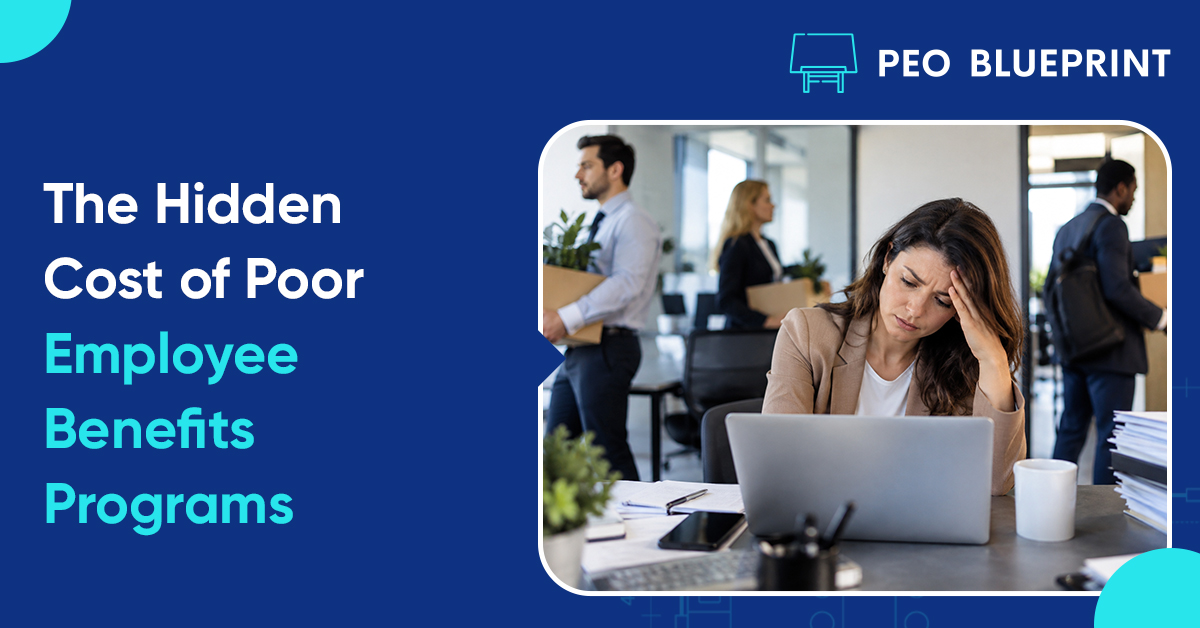
Managing a business requires a constant, highly calculated balancing act between operational expenses, payroll allocations, inventory demands, capital investments, and long-term expansion goals. When economic headwinds blow, or profit margins tighten, executive leadership teams instinctively audit their general ledgers to identify immediate cost-cutting opportunities. However, one massive financial liability often hides in plain sight on the corporate balance sheet: an inadequate, underfunded, or poorly constructed fringe compensation package. Many business owners, chief financial officers, and human resources managers view benefits as an administrative line-item expense to be trimmed, minimized, capped, or shifted onto the workforce whenever possible.
This short-sighted financial perspective completely fails to account for the catastrophic, long-term operational cascade triggered by poor employee benefits programs. When medical insurance features sky-high deductibles, out-of-pocket costs that swallow large portions of a worker’s take-home pay, retirement plans that lack meaningful employer matching contributions, or nonexistent mental health support, businesses do not actually save money over time. Instead, they unknowingly shift massive hidden costs into expensive talent recruitment, lost workplace productivity, chronic absenteeism, operational errors, and widespread organizational burnout.
Modern professionals operating in today’s dynamic labor market view total compensation as a complete, integrated ecosystem rather than just a basic biweekly paycheck. If your organization’s healthcare coverage, paid time off, parental leave, or overall wellness perks fall below current industry benchmarks, top-tier industry performers will quickly look for better opportunities elsewhere. Poor employee benefits programs expose your business to chronic retention issues, higher recruitment and onboarding costs, severe employer brand erosion, and steadily declining workplace morale. To protect your bottom line and build a sustainable corporate future, look beyond upfront monthly health insurance premiums and fully understand the hidden operational drain caused by suboptimal compensation and benefits strategies.
1. The True Financial Metric: Direct vs. Indirect Benefit Costs
When evaluating corporate health coverage, dental policies, vision packages, and fringe perk offerings, C-suite executives and financial officers frequently focus exclusively on direct, tangible expenditures. They carefully measure monthly health insurance premiums paid to carrier networks, administrative software platform licensing fees, matching 401(k) retirement contributions, and accrued paid leave payouts. While these direct metrics are straightforward to track on a standard financial accounting ledger, they represent only a tiny fraction of your actual total employment expenditures. The hidden financial burden of underfunded benefits packages shows up as subtle, indirect operational leaks that continuously drag down quarterly earnings and inflate operating expenses.
To understand the full financial reality, leadership teams must calculate total benefit costs by adding direct expenditures together with indirect operational leaks. Direct expenditures include fixed monthly health insurance premiums paid to providers, employer 401(k) matching funds, payroll tax allocations, administrative setup fees, third-party administrator costs, and paid leave payouts. Conversely, indirect operational leaks include ongoing talent recruiting fees, temporary contractor staffing expenses, mandatory overtime pay to cover chronically vacant positions, severely reduced individual worker output, administrative HR overload, customer satisfaction drops due to understaffing, and lost institutional knowledge when experienced employees resign.
Companies that cut core benefits costs by offering minimal, bare-bones health plans often end up paying three to four times as much in secondary, uncontrolled operational expenses. When an organization reduces benefit funding to save a modest percentage on monthly health premiums, it routinely triggers a sharp increase in voluntary annual turnover, absenteeism, and workplace disengagement. Disengaged team members who feel neglected by weak compensation packages miss more workdays, produce lower-quality output, make more costly operational errors, and leave the business at alarming rates. Calculating true corporate exposure requires looking far beyond basic insurance carrier invoices to account for every dollar lost when staff members are poorly supported by their employer.
2. High Turnover and Soaring Recruitment Expenses
High voluntary employee turnover is easily one of the most visible, disruptive, and financially ruinous side effects of underfunded or poorly structured benefit packages. When high-performing team members realize their healthcare coverage fails to protect their families from routine medical costs, or that their retirement benefits fall far short of industry benchmarks, they actively look for better employment opportunities. Replacing a full-time, skilled employee is extraordinarily costly, generally costing anywhere from fifty percent to two hundred percent of their annual salary, depending on their specialized skill set, industry experience, and leadership level within the organization.
When a valued employee resigns specifically over uncompetitive benefits or overall compensation, your company immediately absorbs a continuous wave of compounding financial hits across virtually every single department:
✅ Soaring direct recruitment outlays required to pay job board listing fees, executive search firm commissions, candidate background screening services, and specialized recruiting software user licenses
✅ Excessive human resources administrative time swallowed up by screening hundreds of applicants, coordinating multi-stage interview schedules, checking references, and processing complex offboarding paperwork
✅ Severe onboarding and training drags that divert senior team members and department heads away from their primary revenue-generating duties to train new hires over a three-to-six-month ramp-up period
✅ Expensive temporary staffing overheads resulting from hiring high-rate contract workers or paying remaining staff mandatory overtime premiums to cover operational gaps and maintain minimum business output
✅ Substantial loss of institutional memory, specialized client context, proprietary workflow knowledge, and internal team chemistry that a new hire cannot easily replace
High staff turnover creates a dangerous, self-perpetuating cycle within an organization. Frequent employee departures force the remaining team members to absorb additional workloads and manage double the responsibilities without extra compensation, rapidly accelerating workplace burnout and triggering even more resignations. Upgrading your core benefits infrastructure stops this destructive cycle by keeping high-performing, experienced workers fully engaged, protected, and loyal to your organization over the long term.
To better understand how high employee turnover affects your organization’s growth and stability, explore the comprehensive HR resources available at PEO Blueprint.
3. Presenteeism and Decreased Workplace Output
While voluntary staff turnover represents a highly visible, easily trackable operational loss, presenteeism is an invisible, silent earnings killer that quietly destroys corporate productivity from within. Presenteeism occurs when employees physically report to work or log into their remote workstations while mentally exhausted, physically unwell, severely stressed, or preoccupied with personal crises, resulting in fractionally effective work performance throughout the day. Presenteeism drag is calculated by measuring on-site or online presence minus optimal focus and engagement, leading to a massive, ongoing loss of company revenue that never shows up on a standard balance sheet.
Weak, uncompetitive benefits plans directly drive high presenteeism rates across organizations in several distinct, highly damaging ways:
• High-deductible health plans that lack fully covered preventive care options cause workers to delay routine doctor visits and essential medical screenings, turning easily manageable health conditions into chronic, painful medical issues.
• Lacking access to emergency financial relief perks, basic retirement matching contributions, or financial literacy wellness programs forces workers to spend valuable business hours worrying about personal debt, bills, and long-term financial survival.
• Lacking access to confidential employee assistance programs, mental health counseling, or affordable therapy options leads to severe workplace burnout, chronic fatigue, anxiety, and costly operational mistakes.
• Inadequate paid leave or sick time policies pressure employees to work through active illnesses, lowering their individual focus and spreading contagious infections to their coworkers.
An employee working at half capacity due to untreated health problems or severe personal financial stress costs your company thousands of dollars in lost productivity every single month. Providing comprehensive healthcare options, robust mental health resources, and meaningful wellness support keeps workers sharp, focused, healthy, and consistently performing at their absolute peak potential.
4. Increased Absenteeism and Healthcare Claims
Trying to trim corporate benefit expenditures creates a dangerous, false sense of financial savings that quickly backfires through higher absenteeism and extraordinarily expensive catastrophic health insurance claims. When employer-sponsored health plans fail to adequately cover routine preventative care, specialist visits, diagnostic testing, or essential prescription medications, employees naturally delay seeking necessary medical attention. Skipping basic preventative care leads directly to delayed medical diagnoses, which eventually causes severe health crises, emergency room visits, complex surgeries, and extended medical leaves of absence.
This pattern of delayed medical intervention creates severe, multi-faceted downstream operational challenges across the entire company:
• Unmanaged medical conditions such as hypertension, heart disease, clinical depression, or diabetes frequently escalate into severe health emergencies requiring extended, legally protected medical leaves.
• Commercial health insurance providers calculate future group renewal premiums based heavily on your company’s overall historical claims experience, meaning a few preventable catastrophic medical emergencies will significantly inflate annual renewal rates for years to come.
• Frequent unplanned sick days disrupt daily team workflows, create severe project bottlenecks, delay critical client deliverables, and directly lower customer satisfaction scores.
• Overburdened HR departments spend countless administrative hours managing complex leave-of-absence requests, worker accommodations, and temporary disability paperwork.
Investing early in preventative wellness perks, comprehensive medical coverage, accessible primary care networks, and low-barrier wellness programs significantly reduces overall long-term medical claims. Healthy, well-supported workforces record substantially fewer unplanned absences, maintain higher daily focus, and help your organization preserve stable, predictable corporate health insurance renewal rates year after year.
5. Employer Brand Erosion and Recruitment Bottlenecks
In today’s hyper-connected, digital-first business environment, prospective job candidates possess unprecedented visibility into corporate culture, internal employee sentiment, salary ranges, and overall benefit structures long before they ever submit an application. Public job review platforms such as Glassdoor, Indeed, and LinkedIn allow current and former employees to publicly rate, review, and critique your organization’s benefits offerings. Poor employee benefit packages lead directly to negative public reviews, which drastically shrink your active talent pool and ultimately force your hiring managers to offer higher base salaries just to convince quality candidates to join your company.
• Low employee ratings regarding expensive medical coverage, poor dental plans, or restrictive paid time off policies severely damage your recruitment reputation across key industry job platforms.
• High-caliber top talent and experienced industry specialists routinely reject conditional job offers that feature high-cost, low-value medical options or uncompetitive retirement matching.
• Promising job candidates demand significantly higher base salary packages specifically to compensate for substandard corporate benefit offerings, effectively driving up your fixed payroll overhead.
• Recruitment teams are forced to spend double the time and financial resources sourcing, pitching, and convincing qualified applicants to enter your hiring funnel.
A damaged, weak employer brand makes top-tier hiring exceptionally difficult, time-consuming, and expensive, leaving critical revenue-generating roles vacant for extended periods. Modern job seekers view total wellness, comprehensive health protection, flexible time off, and long-term retirement contributions as baseline expectations, not luxury perks.
Organizations looking to strengthen their employer branding, attract top-tier talent, and streamline complex administrative workflows can find strategic co-employment guidance at PEO Blueprint.
6. Regulatory Non-Compliance and Legal Liabilities
Outdated, poorly managed, or improperly structured employee benefits programs can expose your organization to immense financial penalties, severe statutory fines, and costly legal compliance liabilities. Federal, state, and municipal labor laws strictly govern employee benefit administration, tax treatments, mandatory coverage thresholds, and worker protections. A substandard or poorly designed benefits program can lead directly to regulatory non-compliance, which often results in unexpected government audits, legal disputes, and substantial financial sanctions.
Common regulatory compliance pitfalls associated with mismanaged or substandard benefit programs include:
✅ ACA non-compliance penalties triggered by failing to offer affordable, minimum-essential healthcare coverage that meets federal actuarial standards to full-time equivalent employees under the Affordable Care Act
✅ ERISA statutory breaches resulting from mismanaging employee 401(k) retirement account fiduciaries, failing to provide mandatory plan summary documents, or violating complex non-discrimination testing rules
✅ COBRA administration compliance errors caused by incorrectly handling continuation coverage notices for departing employees, exposing the company to steep daily statutory fines and individual lawsuits
✅ FMLA and state statutory leave violations stemming from mismanaging mandatory paid sick leave requirements, family leave allocations, and disability protection policies
✅ HIPAA privacy violations resulting from improper handling, storage, or disclosure of confidential employee health information and medical claims data
Partnering with experienced administrative specialists and co-employment professionals helps shield your organization from catastrophic legal exposure, regulatory non-compliance fines, and exhausting government audits.
7. Comparative Analysis: Substandard vs. Comprehensive Benefits Packages
To clearly understand the multi-departmental impact of compensation planning, executive teams must compare how weak, substandard benefit programs perform against robust, modern benefits infrastructures across every primary human resources and operational metric.
Annual voluntary employee turnover in organizations with weak benefits packages regularly sits at high, damaging levels between twenty percent and thirty-five percent or higher each year. Conversely, companies that maintain comprehensive, high-value benefits programs keep voluntary turnover low, typically holding it under ten percent annually.
Under weak benefit programs, the average time to source, interview, hire, and onboard qualified workers to fill open roles takes sixty to ninety days or longer, as candidates frequently reject job offers. In contrast, businesses offering robust, top-tier benefit packages fill open positions quickly, within fifteen to thirty days, because of strong candidate interest and higher offer acceptance rates.
Daily workplace productivity remains chronically low under weak benefit programs because of unaddressed presenteeism, personal financial anxiety, and widespread health-related distractions. Comprehensive benefit packages foster highly motivated, energetic, and focused teams that consistently deliver high-quality work output.
Unplanned sick leave and absenteeism remain high, averaging six or more days per employee each year under poor health plans that lack access to preventive care. Under comprehensive plans that prioritize routine health checks and wellness perks, unplanned sick leave drops substantially.
Employer review ratings across major online career platforms average a subpar two to three stars for companies with weak benefits, causing recruiting bottlenecks. Employers with outstanding benefits maintain high four-to-five-star ratings, creating an inbound talent magnet for top industry professionals.
Healthcare cost volatility remains highly unpredictable with frequent, emergency-driven premium spikes under weak plans. Comprehensive plans keep annual renewal costs stable and predictable by emphasizing routine preventive care and early medical intervention.
Finally, candidate offer acceptance rates hover below sixty percent when perks are substandard, but consistently surge above eighty-five percent when businesses offer rich, competitive total compensation packages.
8. Five Steps to Revamp Substandard Benefits Infrastructure
Fixing an underperforming, uncompetitive benefits package does not require doubling your human resources budget or inflating corporate overhead beyond control. Small, highly strategic investments combined with modern administrative structures can dramatically elevate employee satisfaction, improve retention rates, and drive operational performance.
- Conduct a comprehensive internal audit of your current medical claims history, annual employee turnover expenses, recruitment spending, and perk participation rates to pinpoint underperforming or underutilized policies.
- Survey your workforce directly through anonymous questionnaires to understand what benefits, coverage options, and flexible workplace perks matter most to them, whether that means lower health plan deductibles, flexible work hours, or better retirement matching.
- Explore modern co-employment and Professional Employer Organization models to aggregate your employee headcount with a larger buying pool, granting your business access to enterprise-grade, tier-one healthcare plans at significantly lower group rates.
- Introduce low-cost, high-impact modern perks such as employer-subsidized mental health applications, remote work technology stipends, flexible spending accounts, health savings accounts, and financial literacy workshops.
- Overhaul your internal benefit communication strategy by providing crystal-clear open enrollment guides, hosting engaging virtual Q&A workshops, and ensuring employees fully comprehend the total value of their coverage options throughout the year.
Discover how partnering with industry-leading co-employment providers can help your business lower overall administrative costs while unlocking enterprise-level benefits packages by visiting PEO Blueprint.
9. Modern Benefits Employees Value Most
To design an irresistibly attractive, highly competitive benefits package that successfully retains top-tier talent, businesses must look beyond traditional medical plans and offer modern, holistic perks that directly support employee well-being, work-life balance, and long-term financial health.
✅ Comprehensive health, dental, and vision insurance featuring broad provider networks, manageable deductibles, low office co-pays, and robust preventive care coverage
✅ Generous matching 401(k) or IRA retirement programs that encourage long-term wealth building and signal strong employer investment in the worker’s financial future
✅ Flexible work arrangements, including hybrid schedules, remote work flexibility, core working hour arrangements, and generous paid time off (PTO) policies
✅ Dedicated mental health support resources, including confidential Employee Assistance Programs (EAPs), subsidized therapy sessions, and mindfulness application subscriptions
✅ Fully paid parental leave policies supporting both primary and secondary caregivers following the birth, adoption, or foster placement of a child
✅ Professional growth stipends, continuous learning allowances, industry certification reimbursements, and tuition assistance programs
✅ Flexible employee wellness stipends that can be allocated toward gym memberships, home office ergonomic upgrades, fitness wearables, or personal health apps
✅ Dependent care flexible spending accounts and backup childcare assistance to support working parents managing family obligations
10. Measuring the ROI of Optimized Benefits Investments
Upgrading your company’s benefits infrastructure requires a fundamental shift in executive mindset: treating employee compensation as a long-term strategic investment in human capital, not a burdensome administrative expense. To ensure your upgraded compensation strategy delivers real financial returns, your leadership team must establish a clear continuous improvement loop where data tracking leads directly to deep performance analysis, which then informs ongoing perk refinement to maximize overall return on investment.
To rigorously evaluate the ongoing performance and ROI of your benefits investments, regularly monitor these key human resources metrics:
• Voluntary Retention Rate Improvements: Track changes in voluntary employee turnover rates across specific departments over six-, twelve-, and twenty-four-month post-implementation periods to measure retention gains.
• Reduced Time-to-Hire Ratios: Measure how quickly your recruiting team fills open positions following the launch of enhanced benefit options compared to historical hiring timelines.
• Lower Absenteeism and Sick Day Usage: Track total unplanned sick leave usage and short-term disability claims following the introduction of proactive preventative health and wellness perks.
• Increased Program Participation Rates: Monitor employee enrollment numbers across voluntary benefit options, 401(k) employer matching programs, wellness stipends, and preventative care screenings.
• Elevated Employee Satisfaction Scores: Utilize quarterly pulse surveys and Net Promoter Scores (eNPS) to track measurable improvements in workplace morale, organizational trust, and overall job satisfaction.
By systematically tracking, analyzing, and acting upon these core performance metrics, your management team can continuously refine your total compensation model, ensuring every dollar invested in employee benefits delivers measurable, long-term business value.
Conclusion: Eliminating the Burden of Substandard Perks
Continuing to maintain poor employee benefits programs creates a severe, continuous, and invisible drain on corporate resources, long-term business expansion, and internal workplace culture. The illusory, temporary savings achieved by cutting benefits packages or shifting cost burdens onto employees are quickly destroyed by compounding turnover expenses, inflated recruiting fees, widespread presenteeism, lost operational output, and escalating health insurance claims. Modern professionals demand comprehensive healthcare protection, flexible work models, mental health support, and meaningful financial security. Organizations that fail to adapt to these evolving labor market expectations will inevitably struggle to attract top talent, retain key leaders, and maintain competitive market momentum.
Investing in a modern, well-structured, and comprehensive benefits strategy is one of the most effective, high-return decisions an executive leadership team can make. By auditing your current offerings, listening closely to employee feedback, eliminating administrative inefficiencies, and leveraging strategic co-employment partnerships, you can transform your benefits program from a costly corporate liability into a powerful driver of recruitment, retention, and long-term organizational success. Take a critical look at your total compensation strategy today—because the true, hidden cost of doing nothing is far higher than the investment required to build a healthier, more supportive, and highly profitable workplace.