Building a sustainable High-Performance Culture is no longer a luxury reserved for large enterprises. In today’s competitive labor market, organizations of every size must create environments where accountability, engagement, operational efficiency, and compliance coexist seamlessly.
Yet, many employers struggle to align HR processes with strategic growth goals. Administrative burdens, compliance risks, fragmented payroll systems, and inconsistent policies often undermine performance objectives.
This is where Professional Employer Organizations (PEOs) play a transformative role. By implementing structured, scalable HR frameworks, PEO-backed processes empower employers to cultivate a consistent and measurable High-Performance Culture across their workforce.
In this comprehensive guide, we explore how employers leverage PEO support to create disciplined, growth-oriented workplace environments that drive measurable business outcomes.
🚀 Strategic HR Infrastructure as the Foundation
A High-Performance Culture cannot thrive without a strong operational backbone. Many businesses attempt to scale without first stabilizing their HR infrastructure.
PEO-backed processes establish structure by centralizing core functions such as:
✔️ Payroll administration
✔️ Benefits management
✔️ Compliance monitoring
✔️ Workers’ compensation coordination
✔️ Employee documentation systems
Through structured HR support, employers eliminate operational chaos and redirect leadership focus toward strategic initiatives.
Organizations exploring structured HR partnerships can review insights available on the PEO Services page, which outlines how consolidated HR functions strengthen organizational performance.
When administrative processes operate efficiently, performance culture gains momentum.
📊 Compliance Confidence Drives Stability
Regulatory uncertainty often undermines performance environments. Employers distracted by compliance concerns struggle to maintain clarity in leadership.
PEO-backed compliance systems reduce exposure to risk by standardizing:
✔️ Employment law updates
✔️ Tax filings and reporting
✔️ Workplace policy documentation
✔️ Risk mitigation procedures
By proactively addressing regulatory obligations, employers create a stable foundation for a High-Performance Culture. Stability encourages focus, trust, and long-term planning.
Compliance confidence transforms HR from reactive problem-solving into proactive governance.
🎯 Performance Management Frameworks
Performance management systems are central to a High-Performance Culture. Without structured goal-setting and accountability mechanisms, productivity fluctuates.
PEO-backed processes often introduce standardized performance review cycles, including:
✔️ Quarterly goal alignment meetings
✔️ Measurable KPIs
✔️ Manager training for objective evaluations
✔️ Documented performance improvement plans
For example, a growing technology firm may partner with a PEO to implement performance scorecards aligned with revenue targets. Clear expectations elevate employee clarity and motivation.
Performance frameworks transform individual effort into collective achievement.
💼 Competitive Benefits for Talent Retention
Attracting and retaining top talent is critical to sustaining a High-Performance Culture. Smaller organizations often struggle to compete with enterprise-level benefits packages.
Through pooled purchasing power, PEO partnerships provide Access to:
✔️ Comprehensive health plans
✔️ Retirement savings programs
✔️ Supplemental insurance options
✔️ Wellness initiatives
Employers who enhance benefits strengthen employee satisfaction and loyalty. Talent stability reduces turnover costs and protects institutional knowledge.
Organizations comparing provider options can explore resources available through the PEO Comparison Guide.
Competitive benefits reinforce a culture where employees feel valued and invested.
📈 Data-Driven Decision Making
A High-Performance Culture depends on measurable insights. Fragmented HR systems limit visibility into workforce trends.
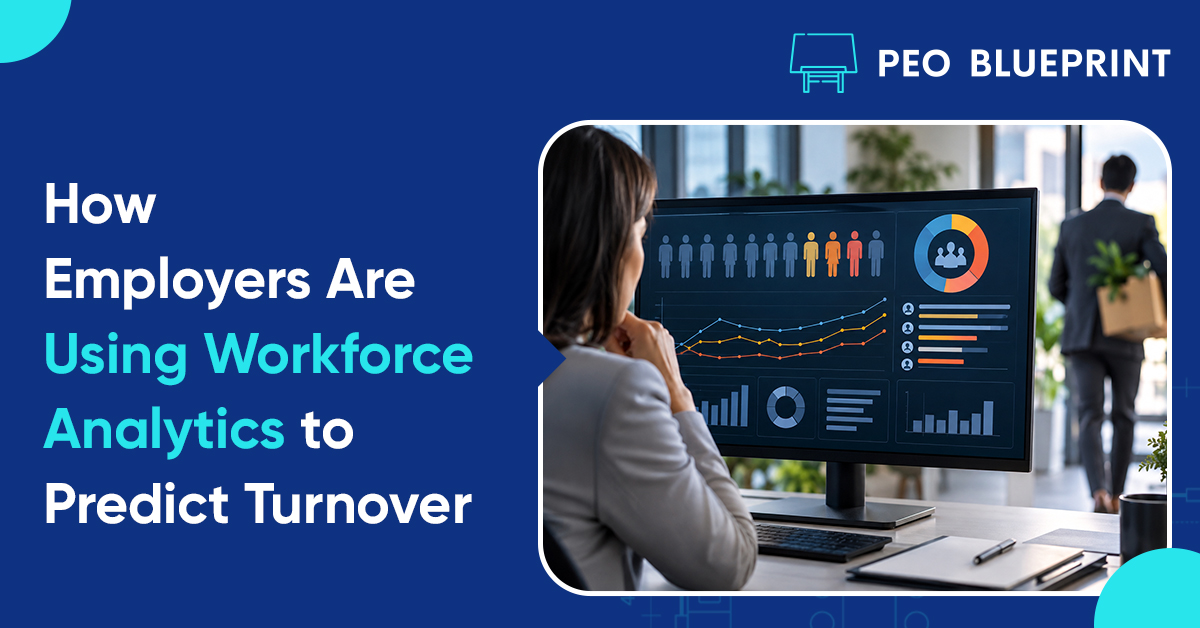
PEO-backed platforms often integrate HR analytics dashboards that track:
✔️ Employee turnover rates
✔️ Compensation benchmarks
✔️ Absenteeism trends
✔️ Engagement survey metrics
For example, identifying turnover patterns within a specific department enables leadership to address root causes proactively.
Data transparency promotes informed leadership decisions and continuous improvement.
🤝 Leadership Alignment and Manager Support
Managers play a pivotal role in shaping workplace culture. However, many organizations promote high performers into management roles without providing structured leadership training.
PEO-backed HR systems often include:
✔️ Supervisor training modules
✔️ Conflict resolution guidance
✔️ Documentation best practices
✔️ Coaching frameworks
Leadership consistency strengthens a High-Performance Culture by ensuring fairness and accountability.
Aligned managers foster environments where employees clearly understand expectations and growth opportunities.
🛠️ Structured Onboarding for Immediate Impact
First impressions influence long-term engagement. A disorganized onboarding process weakens cultural integration.
PEO-supported onboarding systems typically provide:
✔️ Digital documentation processing
✔️ Compliance acknowledgment tracking
✔️ Structured orientation timelines
✔️ Early performance checkpoints
When employees enter a structured environment, productivity accelerates.
Effective onboarding aligns new hires with organizational values, reinforcing the High-Performance Culture from day one.
🔄 Workforce Scalability Without Chaos
Rapid growth can strain internal systems. Without scalable HR processes, expansion often leads to inconsistency.
PEO-backed processes offer standardized frameworks that adapt to workforce growth.
✔️ Multi-state compliance coverage
✔️ Centralized payroll across locations
✔️ Uniform policy implementation
✔️ Consolidated benefits administration
Scalable systems maintain operational consistency as organizations expand.
Growth without structural breakdown sustains cultural integrity.
🌟 Employee Engagement and Recognition Programs
Recognition fuels motivation. A High-Performance Culture thrives when employees feel acknowledged for their contributions.
PEO platforms often support structured engagement programs such as:
✔️ Employee recognition initiatives
✔️ Incentive compensation tracking
✔️ Performance-based bonuses
✔️ Engagement surveys
For example, quarterly recognition awards tied to measurable outcomes strengthen morale and accountability.
Recognition reinforces desired behaviors and promotes a culture of excellence.
🔐 Risk Management and Workplace Safety
Safe environments contribute to stability and performance. PEO partnerships frequently include risk management services.
✔️ Workplace safety audits
✔️ Claims management
✔️ OSHA compliance monitoring
✔️ Safety training programs
Reducing workplace incidents protects both employees and the organizational reputation.
A secure environment supports sustained productivity and confidence.
📚 Continuous Learning and Development
A High-Performance Culture prioritizes professional growth. Without development pathways, engagement declines.
PEO-backed processes may include:
✔️ Access to training libraries
✔️ Compliance certification programs
✔️ Leadership development workshops
✔️ Skills-based training modules
For instance, structured learning initiatives allow employees to develop advanced competencies aligned with company goals.
Investment in development strengthens long-term performance capacity.
🧩 Alignment Between Culture and Compliance
Many employers treat compliance and culture as separate priorities. However, integrated systems unify these objectives.
PEO-backed processes align performance management with compliance documentation, ensuring:
✔️ Consistent disciplinary procedures
✔️ Transparent policy enforcement
✔️ Standardized employee records
✔️ Clear grievance protocols
Alignment reduces ambiguity and strengthens trust across the organization.
A disciplined structure reinforces High-Performance Culture values.
📌 Cost Predictability and Financial Clarity
Financial uncertainty can disrupt cultural stability. PEO partnerships often provide predictable cost structures for HR administration.
✔️ Consolidated service fees
✔️ Reduced compliance penalties
✔️ Lower workers’ compensation volatility
✔️ Streamlined payroll processing
Cost transparency supports strategic investment in growth initiatives.
Stable financial planning enhances leadership confidence and workforce assurance.
🌐 Technology Integration and Automation
Manual HR processes consume valuable Time and introduce errors.
PEO-backed systems automate:
✔️ Payroll calculations
✔️ Tax filings
✔️ Benefits enrollment
✔️ Time and attendance tracking
Automation reduces administrative friction and allows HR teams to focus on strategic priorities.
Technology-enabled efficiency strengthens the operational backbone of a High-Performance Culture.
🧭 Building Long-Term Organizational Discipline
High performance is not accidental. It results from disciplined systems, consistent leadership, and measurable accountability.
PEO-backed processes create repeatable structures that reinforce:
✔️ Clear expectations
✔️ Transparent communication
✔️ Documented policies
✔️ Fair performance evaluations
Over Time, disciplined systems become embedded cultural norms.
The Strategic Advantage of PEO-Backed High-Performance Culture
Organizations that integrate structured HR frameworks through PEO partnerships position themselves for sustained growth. Rather than reacting to administrative crises, leaders operate from a foundation of stability.
A High-Performance Culture thrives when:
- Systems are standardized
- Compliance is proactive
- Leadership is aligned
- Employees feel supported
- Data informs decisions
Employers evaluating structured HR partnerships can explore additional educational resources available on the About page.
By leveraging PEO-backed processes, organizations transform HR from an operational burden into a strategic growth engine.
🏗️ Creating Accountability Through Structured Documentation
A defining characteristic of a High-Performance Culture is clarity. Employees must understand expectations, standards, and consequences. Without structured Documentation, accountability becomes inconsistent and subjective.
PEO-backed processes strengthen documentation discipline by standardizing:
✔️ Job descriptions aligned with measurable outcomes
✔️ Employee handbooks with clearly defined policies
✔️ Progressive discipline frameworks
✔️ Formalized performance tracking records
For example, when performance issues arise, documented benchmarks and structured corrective pathways reduce ambiguity. Managers operate with consistency, and employees receive fair, transparent feedback.
Clarity eliminates confusion. When expectations are clearly defined and documented, performance becomes measurable and sustainable.
💬 Strengthening Internal Communication Channels
Communication gaps frequently undermine workplace performance. In organizations without structured systems, information often flows unevenly between departments, leadership, and employees.
PEO-supported HR frameworks help formalize communication through:
✔️ Structured employee announcements
✔️ Policy update distribution systems
✔️ Digital HR portals for centralized Access
✔️ Clear escalation pathways
A High-Performance Culture thrives when communication is predictable and accessible. Employees should never feel uncertain about policies, benefits, or expectations.
Transparent communication builds trust, and trust fuels performance alignment.
🧮 Compensation Strategy Alignment
Compensation clarity plays a vital role in shaping workplace performance. When pay structures are inconsistent or poorly communicated, morale declines.
PEO-backed systems often support employers in developing compensation frameworks based on:
✔️ Market benchmarking data
✔️ Role-specific salary bands
✔️ Incentive alignment with KPIs
✔️ Pay equity analysis
For instance, aligning bonus structures with measurable outcomes ensures that rewards reinforce desired behaviors.
Compensation strategy is not just financial—it is cultural. Fair and competitive pay strengthens engagement and supports a High-Performance Culture rooted in meritocracy.
🔄 Performance Calibration Across Departments
As companies grow, performance standards may vary between departments. Without calibration, one team may operate under stricter evaluation standards than another.
PEO-backed performance systems help ensure consistency by:
✔️ Standardizing evaluation criteria
✔️ Training managers on uniform scoring methods
✔️ Conducting interdepartmental review sessions
✔️ Aligning performance goals with company-wide objectives
Calibration promotes fairness and reduces internal friction.
Consistency across teams protects the integrity of a High-Performance Culture.
🏆 Talent Acquisition Strategy Enhancement
Recruitment is the entry point to cultural development. A High-Performance Culture begins with hiring individuals aligned with organizational values.
PEO-supported recruitment frameworks often assist with:
✔️ Structured interview processes
✔️ Behavioral assessment tools
✔️ Background verification procedures
✔️ Legally compliant offer documentation
For example, implementing competency-based interview models ensures candidates are evaluated against measurable performance criteria.
Strategic hiring reduces turnover and strengthens long-term workforce stability.
📋 Standardized Policy Enforcement
Inconsistent policy enforcement weakens workplace morale. Employees quickly notice disparities in how rules are applied.
PEO-backed processes reinforce consistency by:
✔️ Providing uniform disciplinary procedures
✔️ Documenting incidents formally
✔️ Training managers on fair enforcement
✔️ Ensuring compliance with employment regulations
When policies are applied evenly, employees perceive leadership as credible and principled.
A disciplined environment strengthens the Foundation of a High-Performance Culture.
🧠 Building Psychological Safety Through Structured HR Support
High-performing teams require psychological safety—the confidence to share ideas without fear of retaliation.
Structured HR systems backed by PEO partnerships help create safe reporting mechanisms, such as:
✔️ Anonymous complaint channels
✔️ Formal grievance procedures
✔️ Conflict resolution mediation
✔️ Anti-retaliation policies
Employees who feel heard are more likely to contribute innovative ideas and identify process improvements.
Psychological safety is not opposed to accountability—it complements it. Together, they reinforce a balanced High-Performance Culture.
📆 Workforce Planning and Forecasting
Sustainable performance depends on strategic workforce planning. Rapid hiring without forecasting can destabilize operations.
PEO-backed workforce planning tools assist employers in:
✔️ Forecasting staffing needs based on growth projections
✔️ Analyzing labor cost trends
✔️ Managing seasonal workforce fluctuations
✔️ Aligning hiring with budget parameters
Strategic forecasting ensures that expansion does not outpace operational capacity.
When staffing aligns with business demand, performance remains steady and controlled.
📊 Aligning Culture with Business Strategy
A High-Performance Culture must align directly with company objectives. Performance initiatives disconnected from strategy create misalignment.
PEO-supported frameworks encourage strategic alignment by:
✔️ Linking KPIs to organizational goals
✔️ Reviewing performance outcomes during strategic planning sessions
✔️ Integrating HR metrics into executive dashboards
✔️ Facilitating leadership workshops
When culture supports strategic direction, employees understand how their roles contribute to broader objectives.
Alignment reduces wasted effort and increases collective impact.
🌍 Multi-State Workforce Harmonization
Organizations operating across multiple states face complex regulatory differences. Inconsistent policies can create internal disparities.
PEO-backed processes harmonize multi-state operations by:
✔️ Standardizing core policies across jurisdictions
✔️ Managing varying state compliance requirements
✔️ Consolidating payroll systems
✔️ Providing unified employee portals
Consistency across locations strengthens organizational cohesion.
Harmonized systems protect the integrity of a High-Performance Culture even in geographically dispersed teams.
📈 Retention Strategy Reinforcement
High turnover disrupts cultural continuity. Replacing employees consumes Time and resources.
PEO-supported retention strategies often include:
✔️ Structured exit interview processes
✔️ Engagement trend analysis
✔️ Career path documentation
✔️ Succession planning support
By identifying early warning signs of disengagement, employers can intervene proactively.
Retention stability reinforces performance continuity and reduces operational friction.
🧩 Cultural Integration During Organizational Change
Change—whether restructuring, leadership transition, or market expansion—can destabilize workplace culture.
PEO-backed HR frameworks support smooth transitions by:
✔️ Standardizing change communication plans
✔️ Updating policy documentation promptly
✔️ Maintaining consistent payroll and benefits systems
✔️ Facilitating employee town hall discussions
Structured change management protects cultural integrity.
Organizations that manage transitions thoughtfully preserve the momentum of a High-Performance Culture.
📣 Employer Branding and Reputation Management
A strong workplace reputation attracts high-caliber talent. Structured HR systems contribute to consistent employer branding.
PEO partnerships can assist with:
✔️ Policy transparency
✔️ Benefits of communication clarity
✔️ Professional onboarding experiences
✔️ Documented compliance records
When employees experience professionalism internally, they reflect that sentiment externally.
Employer reputation reinforces recruitment effectiveness and cultural credibility.
🛡️ Ethical Standards and Governance
Ethical leadership is a cornerstone of any High-Performance Culture. Without governance structures, ethical lapses can erode trust.
PEO-backed compliance frameworks reinforce governance by:
✔️ Establishing codes of conduct
✔️ Providing anti-harassment training
✔️ Ensuring documented disciplinary protocols
✔️ Offering compliance audits
Clear ethical standards protect organizational reputation and foster employee confidence.
📌 Sustaining Cultural Momentum Over Time
Culture is not static—it evolves. Sustaining a High-Performance Culture requires continuous reinforcement.
PEO-backed systems support long-term sustainability by:
✔️ Scheduling periodic policy reviews
✔️ Updating compliance frameworks
✔️ Conducting annual engagement assessments
✔️ Aligning compensation adjustments with market trends
Consistency over Time transforms structured processes into ingrained organizational habits.
High performance is no longer an initiative but an expectation.
🔍 Benchmarking Against Industry Standards
A sustainable High-Performance Culture does not operate in isolation. Employers must understand how their workforce metrics compare to industry benchmarks. Without external reference points, internal performance assessments may lack context.
PEO-backed advisory models often provide benchmarking insights across areas such as:
✔️ Compensation competitiveness
✔️ Benefits utilization rates
✔️ Turnover averages by sector
✔️ Compliance exposure trends
For example, if an organization discovers its voluntary turnover exceeds industry norms, leadership can investigate root causes before performance declines further.
Benchmarking reinforces strategic awareness. It prevents complacency and supports continuous improvement within a High-Performance Culture.
📦 Streamlining Administrative Workloads
Administrative overload diverts leadership’s focus from strategic growth. When executives spend excessive Time on payroll errors or compliance paperwork, cultural development suffers.
PEO-backed systems streamline administrative burdens by:
✔️ Consolidating HR workflows into centralized platforms
✔️ Automating reporting requirements
✔️ Managing employee record retention
✔️ Handling regulatory filings
Reduced administrative friction allows leaders to invest energy in innovation, team development, and long-term strategy.
Operational efficiency directly contributes to the sustainability of a High-Performance Culture.
📣 Structured Feedback Loops
Continuous feedback strengthens engagement. Without formal mechanisms, employee concerns may remain unaddressed.
PEO-backed processes can introduce structured feedback loops, including:
✔️ Pulse surveys
✔️ Stay interviews
✔️ Quarterly engagement check-ins
✔️ Anonymous suggestion channels
For example, quarterly surveys identifying workload concerns enable leadership to rebalance responsibilities before burnout occurs.
Feedback loops ensure that cultural improvements remain responsive rather than reactive.
🌐 Supporting Remote and Hybrid Workforces
As remote and hybrid work models expand, maintaining a High-Performance Culture across distributed teams becomes more complex.
PEO-backed systems help employers manage remote workforce consistency by:
✔️ Standardizing remote work policies
✔️ Ensuring multi-state payroll compliance
✔️ Managing digital onboarding processes
✔️ Providing secure HR portal access
Structured policies prevent disparities between in-office and remote employees.
When remote teams operate under consistent frameworks, cultural alignment remains intact regardless of location.
Final Thoughts
Creating a High-Performance Culture requires more than motivational messaging or quarterly bonuses. It demands disciplined infrastructure, measurable performance systems, consistent leadership, and proactive compliance management.
PEO-backed processes provide the operational clarity and scalability necessary to sustain performance excellence. Through structured onboarding, competitive benefits, automated payroll, compliance assurance, and leadership alignment, employers cultivate environments where accountability and engagement coexist.
When culture and structure align, performance accelerates.