
The Hidden Cost of Poor Employee Benefits Programs
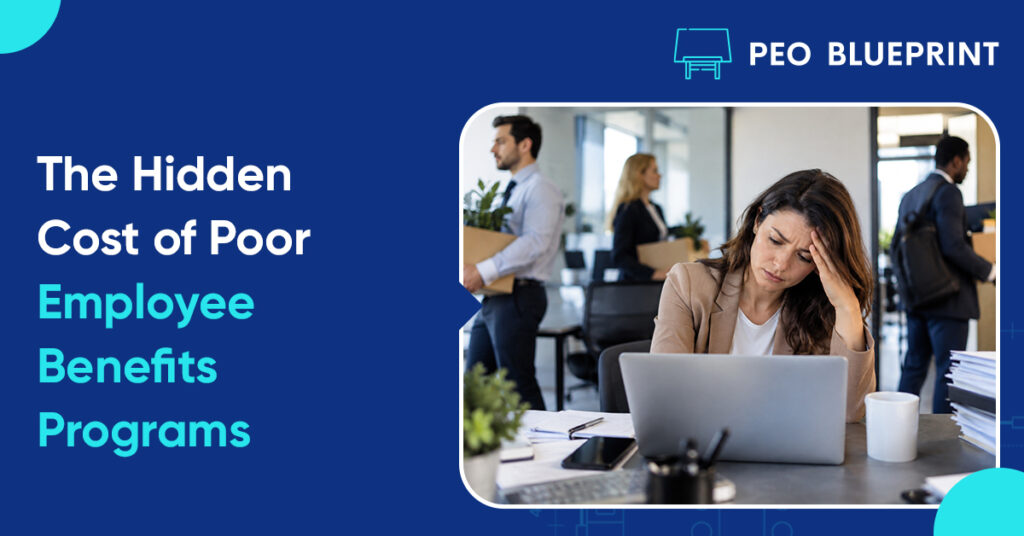
Managing a business requires a constant, highly calculated balancing act between operational expenses, payroll allocations, inventory demands, capital investments, and long-term expansion goals. When economic headwinds blow or profit margins tighten, executive leadership teams instinctively audit their general ledgers to identify immediate cost-cutting opportunities. However, one massive financial liability often hides in plain sight on the corporate balance sheet: an inadequate, underfunded, or poorly constructed fringe compensation package. Many business owners, chief financial officers, and human resources managers view benefits purely as an administrative line-item expense to be trimmed, minimized, capped, or shifted onto the shoulders of their workforce whenever possible.
How Employers Are Using Workforce Analytics to Predict Turnover
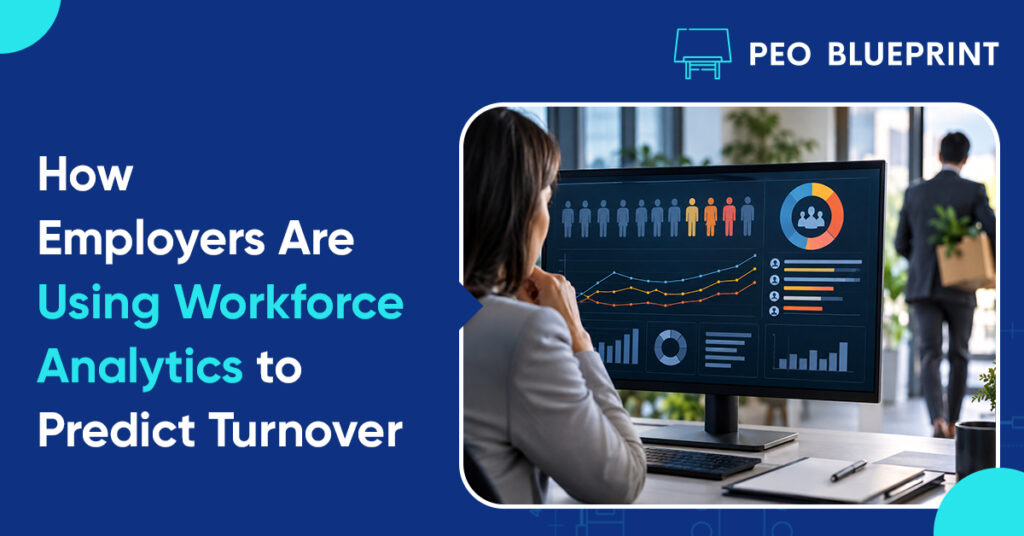
Voluntary resignations never happen overnight. Long before an employee submits a formal letter of resignation, subtle behavioral shifts occur across digital channels, attendance records, project tracking systems, and collaboration platforms. Modern organizations no longer rely on traditional exit interviews to figure out why top talent walked out the door. Today, forward-thinking employers are actively leveraging workforce analytics to spot retention risks early, analyze behavioral signals, eliminate internal friction, and implement proactive intervention strategies long before valuable staff members depart.
PEO Solutions for Manufacturing Companies Facing Skilled Labor Shortages
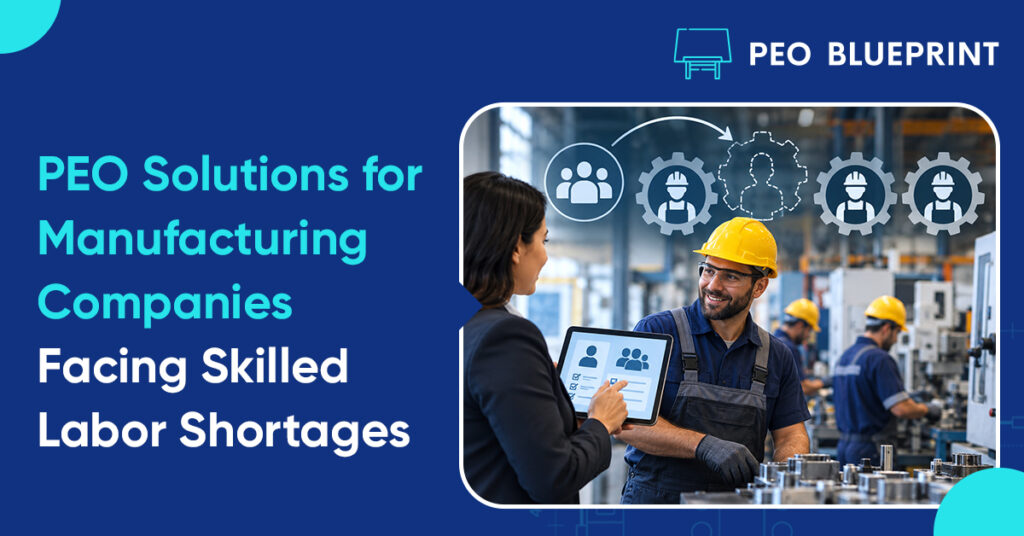
The modern industrial landscape faces an unprecedented operational crisis. Plant managers, human resource directors, and manufacturing executives grapple daily with empty assembly lines, delayed production schedules, and skyrocketing recruitment costs. PEO Solutions for Manufacturing Companies have emerged as the premier operational vehicle for mid-market and growing manufacturers striving to overcome severe talent deficits, streamline complex compliance burdens, and secure high-caliber workforce talent.
The Future of HR Reporting and Workforce Intelligence
Introduction: The Evolution of People Analytics
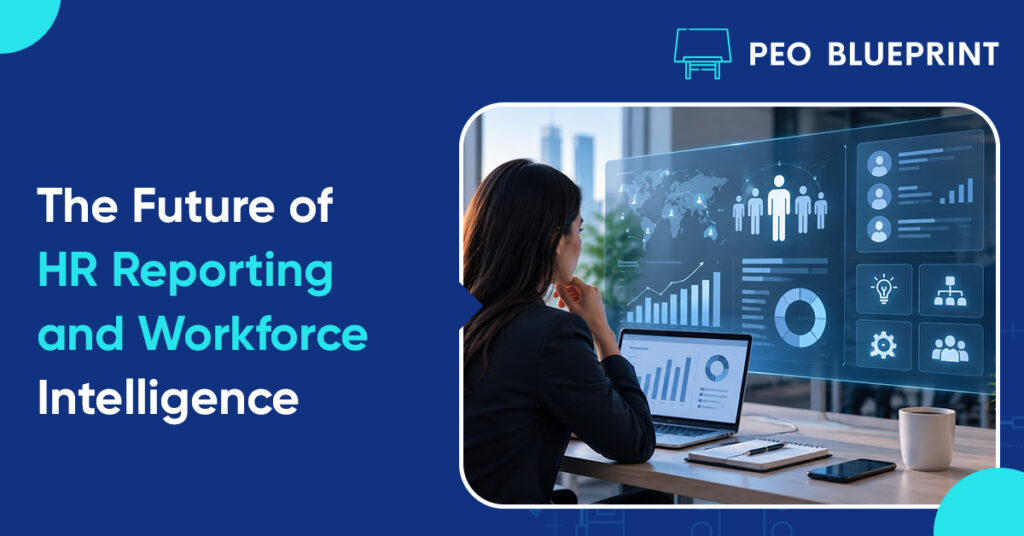
Traditional human resource management relied heavily on static spreadsheets and quarterly headcount counts. Modern organizations can no longer afford to make critical talent decisions based on lagging indicators or outdated records. The Future of HR Reporting and Workforce intelligence represents a fundamental shift from backward-looking documentation to forward-looking strategic action.
The Rise of AI-Powered Employee Onboarding
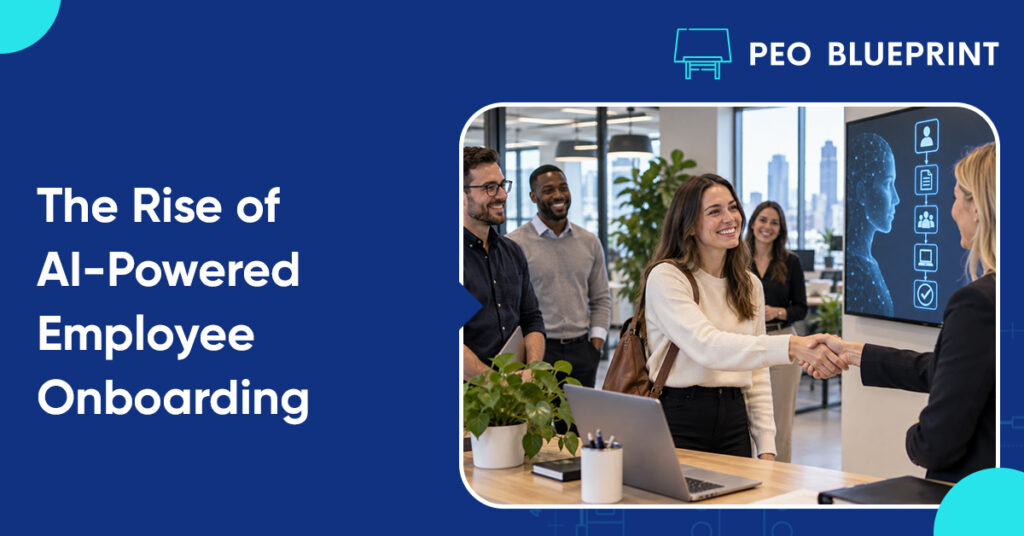
The modern human resources landscape is undergoing a massive transformation, moving away from manual paperwork and shifting rapidly toward intelligent automation. As organizations scale globally and remote work becomes standard, traditional methods for welcoming new hires simply no longer suffice. We are witnessing the unprecedented rise of AI-powered employee onboarding, a technological leap that completely reshapes how companies integrate talent. This shift fundamentally redefines the first critical weeks of an employee’s journey within a new organization.
Using Benefits Data to Improve Employee Retention
Losing top talent is one of the most expensive and disruptive challenges a modern business can face. Every time a skilled professional walks out the door, they take valuable institutional knowledge, client relationships, and team momentum with them. Fortunately, forward-thinking HR departments are discovering a powerful secret weapon to stop the bleeding. If you want to improve employee retention, you need to stop guessing what your team wants and start looking closely at your benefits data.
How to Evaluate a PEO Contract Before You Sign: 17 Clauses Every Employer Must Review

Partnering with a Professional Employer Organization can dramatically transform your human resources operations. However, entering into this relationship requires signing a comprehensive legal document that redefines how your business operates. A PEO contract represents a binding co-employment agreement that dictates everything from payroll responsibilities to legal liabilities. You must carefully scrutinize every page before you finalize the partnership.
PEO Benefits Strategies for Multi-State Employers
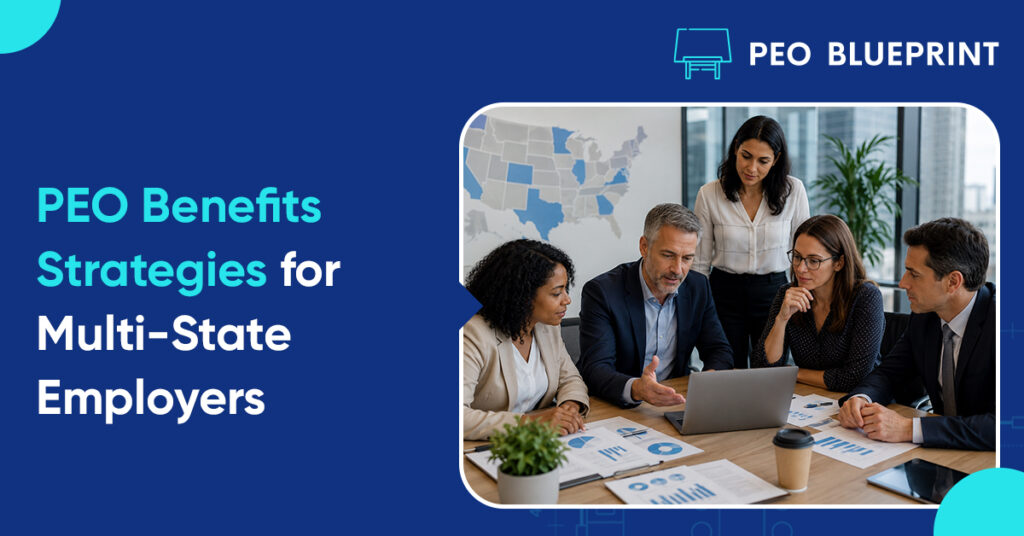
Navigating the complexities of a distributed workforce demands innovative solutions, making effective PEO Benefits Strategies essential for modern multi-state employers. Managing a business across state lines introduces a labyrinth of varying labor laws, tax codes, and compliance regulations. Without the right HR infrastructure, business owners quickly find themselves overwhelmed by administrative burdens. By partnering with a Professional Employer Organization (PEO), companies can access enterprise-level benefits and streamline their operations.
The Benefits Arms Race: What Employees Expect in 2026
The workplace has fundamentally transformed, and leaders are now staring down The Benefits Arms Race. Entering 2026, a competitive salary is simply the baseline, rather than the ultimate deciding factor for top-tier talent. Today’s professionals demand holistic support systems that actively protect their physical, financial, and emotional well-being. Companies that fail to adapt are rapidly losing their best people to organizations that view compensation through a much wider lens. If you want to survive The Benefits Arms Race, you must rethink exactly what it means to reward and empower an evolving workforce.
How PEOs Support Post-Merger Workforce Integration
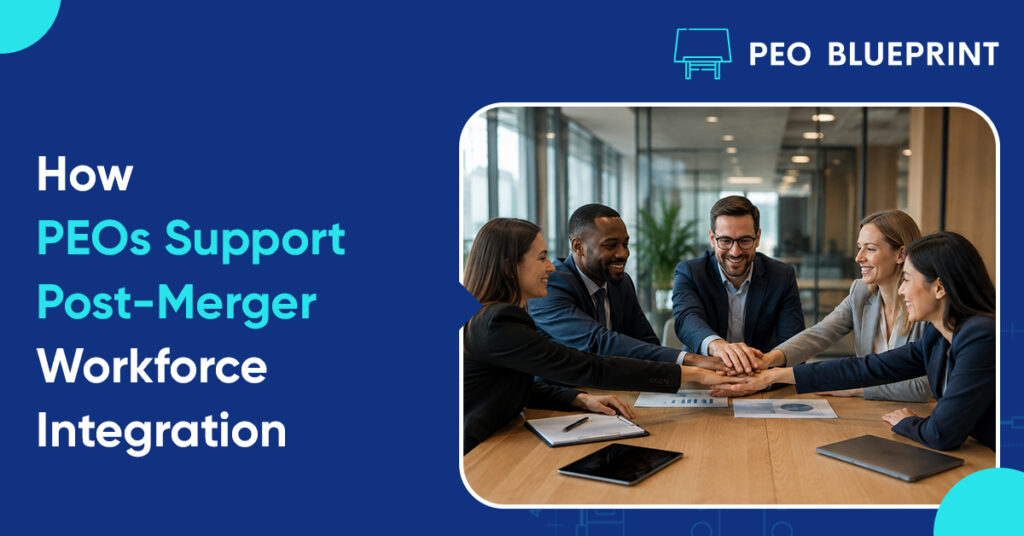
When a corporate merger or acquisition finally closes, the real operational work immediately begins. While executives celebrate the financial victory and strategic expansion, human resources teams face the monumental task of blending two completely distinct companies. Mergers and acquisitions often look perfect on financial spreadsheets, but they frequently stumble during the execution phase. The most significant hurdle is almost always human capital management and cultural alignment. If you want to retain top talent and maintain operational stability, you must understand how PEOs support post-merger workforce integration.
Remote Workforce Expansion Without HR Complexity

The modern business landscape has fundamentally shifted, making geographic borders virtually irrelevant for organizations seeking top-tier talent. For growing companies, executing a seamless remote workforce expansion is no longer just an innovative operational perk; it is a critical strategic necessity for long-term survival and scalable growth. However, while the idea of hiring the best software engineers from Eastern Europe or top-tier digital marketers from South America sounds incredibly appealing, the backend administrative reality is often a logistical nightmare. Navigating complex international labor laws, managing multi-currency global payroll systems, and ensuring localized statutory compliance can quickly overwhelm even the most capable internal human resources teams.
HR Tech Stack Consolidation: When Less Software Creates Better Results

The modern human resources department is overwhelmed by an endless array of digital tools and overlapping platforms. From applicant tracking systems to payroll processing software, businesses are drowning in disconnected applications. This technological fragmentation creates massive inefficiencies, frustrates employees, and drastically inflates operational budgets. For growing companies, HR tech stack consolidation is no longer just an IT initiative, but a fundamental business imperative.
